
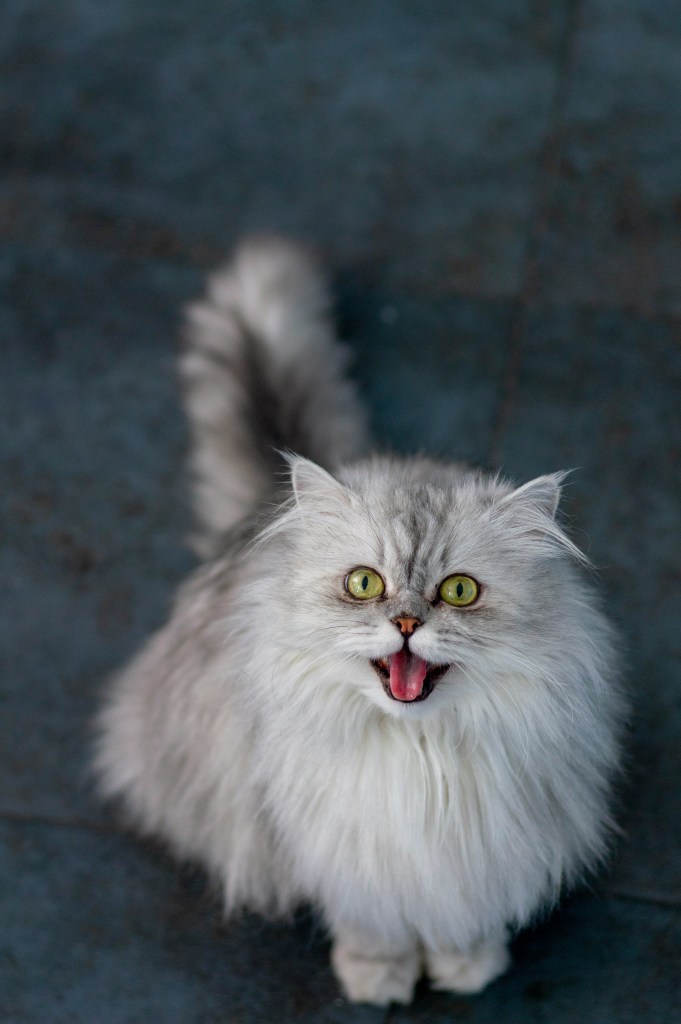
The Persian is one of the oldest, most luxurious, and visually unmistakable pedigree breeds in history. Hailing from the ancient, sun-drenched trading routes of Persia (modern-day Iran), these glamorous felines were first documented in western Europe during the early 1600s, when Italian traveler Pietro Della Valle brought them back from his voyages. Their long, flowing, silk-like coats quickly caught the attention of European royalty and high society, who viewed them as the ultimate status symbol of wealth and sophisticated comfort.
By the 19th century, the breed had become a firm favorite of British royalty, including Queen Victoria, who famously owned multiple prize-winning blue Persians. They were proudly showcased at the world’s very first official cat show at London’s Crystal Palace in 1871. Today, they remain one of the most popular domesticated breeds globally, celebrated for their calm, serene disposition and their unmatched capacity for indoor relaxation.
🐾 Physiological and Behavioral Profile
| Breed Attribute | Standard Metric / Trait |
| Average Weight | Males: 4.5kg – 6kg (10–13 lbs) |
| Average Lifespan | 12 to 15 years |
| Coat Texture & Type | Extremely long, thick, flowing double-coat with a heavy neck ruff |
| Energy & Activity Level | Extremely Low (Dignified, slow-moving, absolute lounge lovers) |
| Vocalization Level | Minimal (Communicates via expressive eyes rather than sound) |
📐 Distinct Physical Architecture
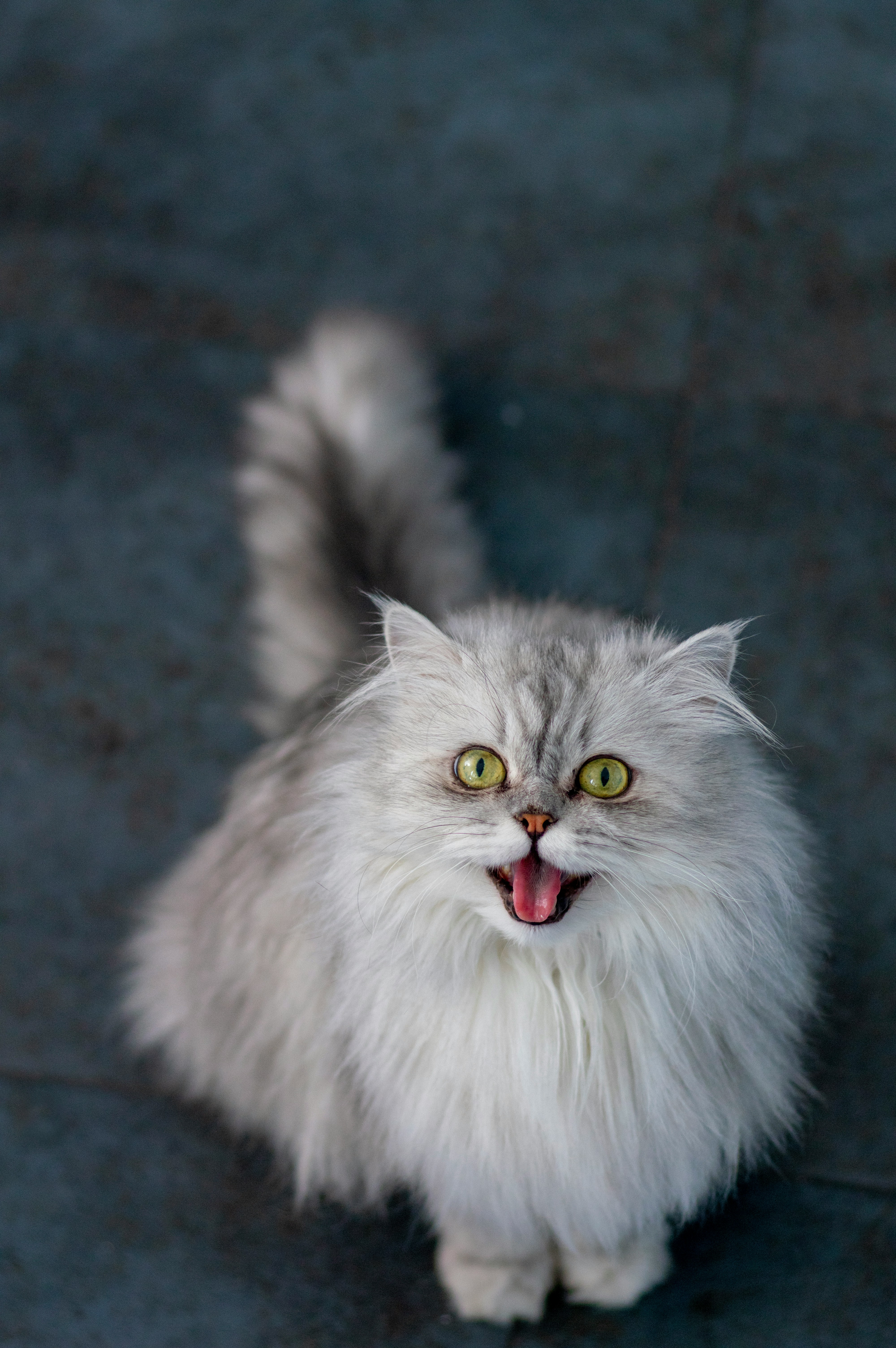
The Persian is defined by its dramatic, long, flowing double-coat and a distinctly flat, round face layout (known as a brachycephalic face profile). They feature an incredibly short snout, wide-set circular eyes that are typically brilliant copper or deep blue, small rounded ears, and chubby cheeks. Their bodies are short, low-slung, and compact—often described as “cobby”—supported by short, thick, powerful legs and a short, exceptionally bushy tail.
Their fur is the longest and densest of any domestic breed, forming a majestic, lion-like ruff around their neck and chest. Because their faces are flat, their tear ducts can naturally overflow, meaning their large eyes require daily facial wiping to prevent staining and keep their expressions looking pristine.
🧠 Behavior, Temperament, and Family Compatibility
If your dream household involves absolute quiet, predictability, and a serene, slow-paced environment, the Persian is a flawless addition. They are the absolute introverts of the cat world. They completely detest loud noises, sudden changes, barking dogs, or chaotic family environments. They will not climb your curtains, scale your kitchen doors, or leap onto high bookshelves; their heavy frames and low-energy drive keep them safely grounded on your lower furniture.
Persians spend their days draped elegantly across your finest sofas, chairs, or cushions like a piece of high-end art, moving smoothly from one comfortable resting spot to the next. They are deeply sweet, calm, and affectionate with their trusted inner circle of family members, but they are highly cautious, quiet, and reserved around strangers. They prefer to live in calm, quiet homes where they can be pampered like the royal queens they are.
🧼 Grooming, Diet, and Health Considerations
Because the Persian possesses an extraordinarily dense, multi-layered flowing double-coat, they require the highest level of grooming commitment of any domestic cat. Owners must commit to daily brushing sessions using a long-toothed metal comb and a slicker brush to target friction zones beneath the armpits, the belly, and the rear legs where painful matting and knots occur. Failing to maintain this routine will quickly result in severe matting that requires professional veterinary shaving.
Dietarily, because they lead a highly sedentary, low-energy lifestyle, owners must strictly manage their portion sizes to prevent clinical obesity. Furthermore, due to their flat facial structure, Persians can struggle to scoop up traditional round kibble biscuits with their tongues. Always look for specialized, crescent-shaped or thumb-shaped kibble designed specifically for brachycephalic jaws to make eating easy and comfortable for them.
Genetically, Persians are prone to a hereditary condition known as Polycystic Kidney Disease (PKD), which causes cysts to form inside the kidneys, eventually leading to organ failure. When sourcing a kitten, it is absolutely essential to verify that the parents have undergone a clear DNA screening test for the PKD gene mutation to safeguard their long-term health.