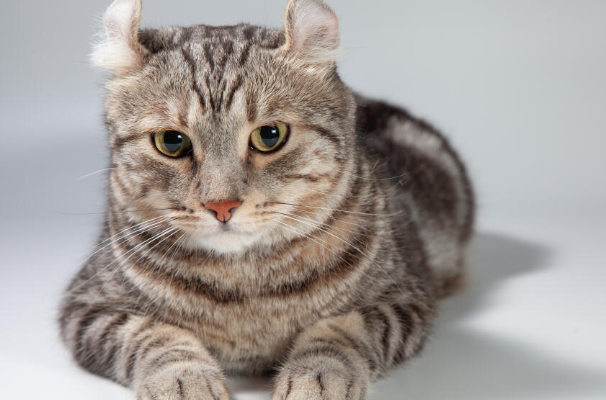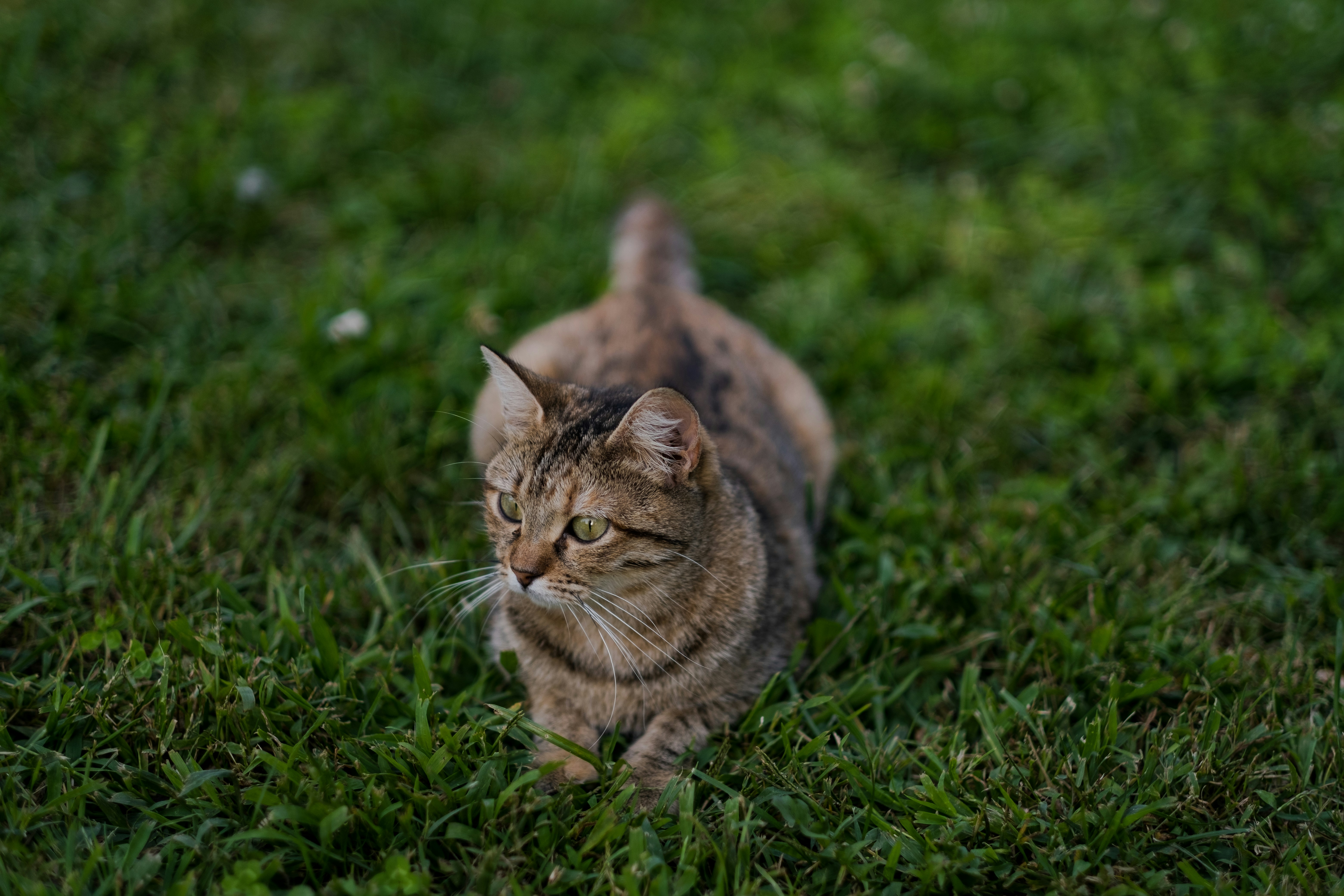

If your ideal feline companion is a small, predictable lap ornament that sits passively in the background, the Toyger is definitively not the match for you. Universally celebrated as the absolute peak of structural designer breeding, this breathtaking breed is famous for its bright pumpkin-orange base coat, its unique circular head markings, and a striking, bold vertical striping pattern that makes them look exactly like a wild jungle tiger.
Often described as a living safari illusion wrapped in a domesticated velvet pelt, the Toyger lives life with confident curiosity. They are intensely human-oriented, exceptionally brilliant, and structurally powerful athletes that treat their homes as personal kingdoms to explore. Let’s dive deep into the modern design history, specialized tiger-stripe genetics, and dynamic behavioural profiles of the extraordinary Toyger cat.
🐾Physiological and Behavioral Profile
| Breed Attribute | Standard Metric / Trait |
|---|---|
| Average Weight | Males: 4.5kg – 6.8kg (10–15 lbs) Females: 3.2kg – 4.5kg (7–10 lbs) |
| Average Lifespan | 12 to 15 years |
| Coat Texture & Type | Short, exceptionally thick, elastic, and plush; pelt-like feel with a distinct metallic glitter |
| Energy & Activity Level | High (Highly athletic, inquisitive, loves retrieval play and water tracking) |
| Vocalization Level | Low to Moderate (Very quiet, communicating via soft, musical trills and chirps) |
A Designer Blueprint: The Modern History of the Toyger
Unlike ancient natural breeds whose origins are lost to folklore, the Toyger is a modern masterpiece of precise, intentional structural design. The breed’s true foundation began in the United States during the late 1980s, born from the specific vision of a prominent breeder named Judy Sugden (the daughter of Jean Mill, the iconic creator of the Bengal cat).
Sugden noticed that one of her mackerel tabby cats possessed unique, circular spots on its temples, rather than the standard lines found on domestic felines. Realizing this layout mirrored the circular head patterns of wild tigers, she set out to “design” a domestic cat that visually resembled a wild tiger, with the ultimate goal of raising public awareness for wild tiger conservation.
Sugden established a meticulous breeding program, selecting a heavily striped domestic shorthair alley cat from India named Jammie Chutney, who possessed distinct spots between his ears, and crossing him with a large-boned Bengal cat. She partnered with dedicated breed advocates to isolate and standardize these traits, naming the new lineage Toyger—a clever blend of the words “Toy” and “Tiger.”
Through absolute selection, they successfully removed traditional domestic tabby traits, fixing the bold vertical markings. The International Cat Association (TICA) officially granted the Toyger full championship status in 2007.
📐 Distinct Physical Architecture & The Science of the Toyger Pelt
Physically, the Toyger exhibits a large, substantial, and highly muscular substantial somatotype. They carry a heavy, long skeletal framework characterized by a deep, broad chest, massive shoulders, a low-slung torso, and powerful, athletic legs ending in large paws. Their heads form a broad, inverted pear shape characterized by a long, muscular muzzle, a wide nose bridge, and small, deep-set nocturnal eyes hooded by a heavy brow, giving them an inherently wild, intense, and majestic jungle expression.
The absolute hallmark of the breed is its unique tiger-like vertical pelt, which operates under highly rigid designer parameters:
- The Modified Mackerel Matrix: The standard domestic mackerel tabby features thin, vertical, branching lines that taper toward the belly. The Toyger mutation completely alters this layout. Their vertical stripes must be thick, bold, dark black or deep mahogany brown, and must completely wrap horizontally down their torso in an asymmetric pattern.
- The Circular Head Markings: Traditional domestic tabbies display a prominent “M” marking on their forehead. The Toyger standard strictly requires this “M” to be broken up and replaced by circular, branching markings that wrap completely around the face, ears, and temples, looking exactly like a wild tiger’s facial blueprint.
- The Glitter Pelt Factor: The fur is short, fine, and exceptionally dense. It feels identical to a thick, plush wild animal pelt rather than standard cat fur. Furthermore, they carry the recessive “glitter gene,” which translucentizes the hair tips, allowing them to trap light and give the cat a beautiful, glowing metallic gold shimmer across their bright pumpkin-orange base coat.
🧠 Behavior, Temperament, and Social Packs
The psychological and behavioural profile of the Toyger centers around an extraordinarily high capacity for canine-like bonding, active play, and calm environmental adaptation.
1. Dog-Like Loyalty and The Shadow Instinct
Do not let their wild tiger appearance fool you; Toygers are profoundly gentle, affectionate, and low-stress companions. They are notoriously celebrated for their “dog-like” quirks, routinely greeting you enthusiastically at the front door when you return from work, following you from room to room, and bringing you their favorite toys. They form an intensely close, integrated bond with their human family, viewing the entire household as their pack.
2. Advanced Retrieval Play and Harness Training
Possessing a sharp, highly analytical mind, Toygers require regular mental and physical stimulation to prevent boredom. They are highly cognitive and easily master interactive puzzle toys, clicker tricks, and possess a deeply ingrained natural instinct to play fetch with paper balls or plush mice for hours. Because of their confident, steady nervous system, they are premier candidates for harness and leash training, allowing them to explore outdoor trails safely alongside their owners.
3. High Aquatic Curiosity and Social Warmth
True to their heavy-boned lineage, Toygers possess a keen fascination with water. Unlike traditional cats that avoid moisture, a Toyger will actively investigate running faucets, splash heavily in their water dishes, and try to touch water streams. They are highly gregarious felines with stable nervous systems; they rarely panic or hide when guests arrive, stepping forward confidently to greet visitors and claim the absolute center of attention.
🧼 Grooming, Diet, and Health Considerations
Because their sleek, fine coat is short and highly efficient at self-cleaning, Toygers require incredibly low manual grooming maintenance. A quick weekly pass with a soft rubber brush or a genuine chamois cloth is more than enough to lift away loose guard hairs, stimulate natural skin oils, and keep their shimmering tiger pattern looking its absolute best. From a medical standpoint, they are a highly robust, healthy, and long-lived breed, though focus must be kept on a few corridors:
- Excellent Genetic Health (Hybrid Vigor): Because the breed was built by carefully blending robust domestic lines with healthy Bengals and standard shorthairs, the Toyger enjoys exceptional baseline health and systemic resilience, with zero known breed-specific genetic defects.
- Caloric Control for Large Frameworks: Because Toygers carry a naturally massive, heavy framework over substantial bones and lead a balanced lifestyle, they can easily cross into feline obesity if overfed. Prioritizing a portion-controlled diet rich in high-quality animal proteins while strictly avoiding free-feeding is essential to protect their heavy joints from excess weight strain.
- Proactive Dental Hygiene: Introduce daily dental brushing with feline-safe enzymatic toothpaste early in life to protect their gums and keep their teeth pristine throughout their long adult years.
Final Thoughts: Is the Toyger Right for You?
Welcoming a Toyger into your home is very much like sharing your life with a tiny, intensely loyal jungle tiger lookalike. If your dream household involves a quiet, independent cat that sits permanently like a statue on a bed and never interacts with the family, their active social focus and demand for daily interactive fetch games may feel too involved. But if you desire an incredibly intelligent, deeply loyal, and visually unforgettable companion that will confidently anchor your home with unconditional love and gentle dignity, the Toyger is absolute feline perfection. For prospective owners searching for detailed show criteria, history logs, and ethical regional networks, checking out the formal archives maintained by The International Cat Association (TICA) provides exceptional, trusted guidance.