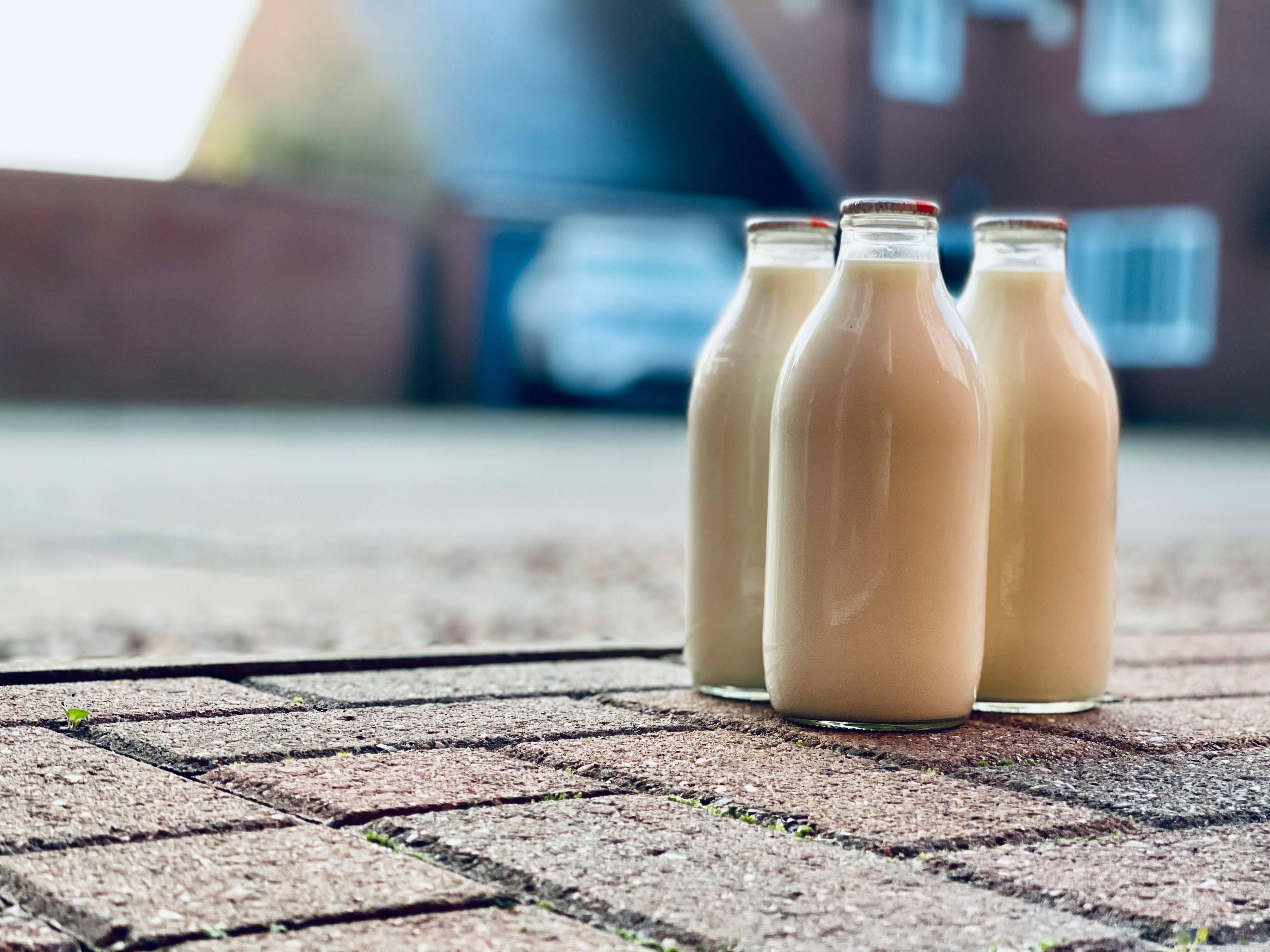

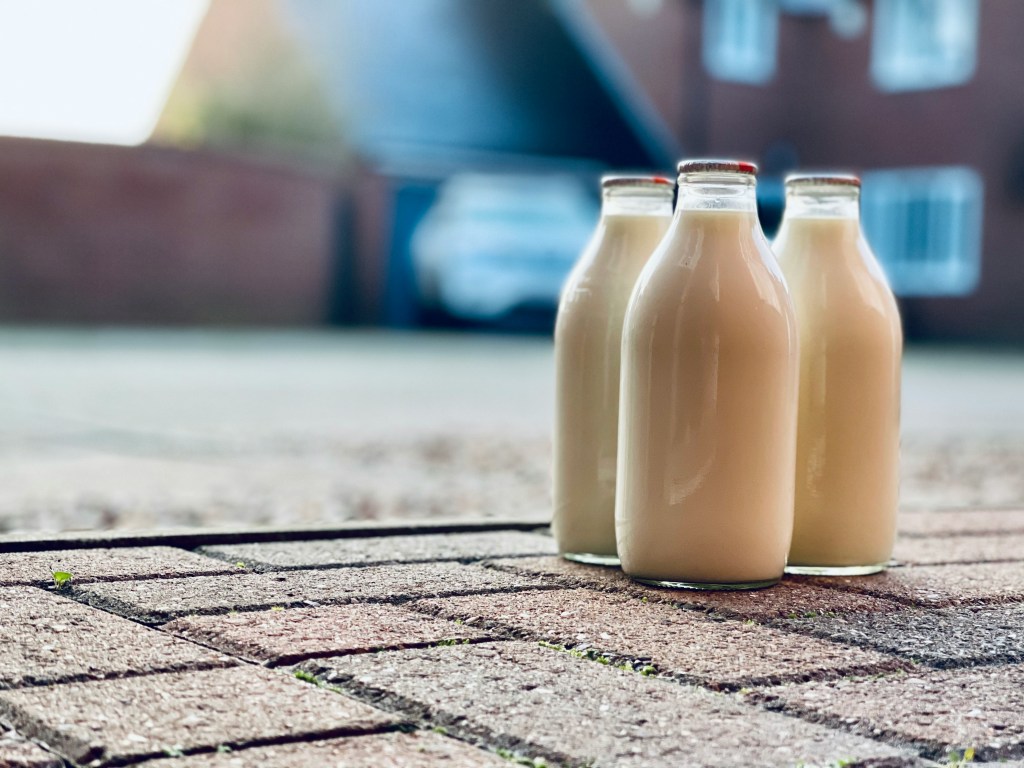
It is one of the most deeply ingrained pop-culture images in human history: a cute, purring kitten sitting happily on a kitchen floor, contentedly lapping up a rich saucer of fresh cow’s milk. For generations, children’s books, television cartoons, and folklore have treated milk as the ultimate, natural treat for felines. To a human observer, it feels entirely wholesome. After all, cats are mammals, kittens drink milk from their mothers, and they undeniably seem to love the taste of dairy creams.
However, veterinary gastroenterology and feline biochemistry reveal a stark biological reality: cow’s milk is structurally toxic to the vast majority of adult cats.
Feeding a saucer of standard dairy milk to an adult feline does not provide comfort; instead, it triggers a painful sequence of gastrointestinal distress, severe abdominal cramping, and metabolic imbalances. The belief that cats naturally thrive on dairy is an outright myth that directly clashes with their evolutionary digestive design.
This comprehensive guide breaks down the precise science of feline lactose intolerance, explores the hidden dangers of dairy consumption, and delivers an actionable matrix of safe, nutritionally sound alternatives for your pet.
The Biochemical Breakdown: The Lactase Deficiency Matrix
To understand why milk is bad for cats, we must examine how their digestive systems shift as they transition from dependency on their mother to a solid, meat-based diet.
The table below breaks down the structural differences in how a cat’s body processes sugars throughout their life cycle:
| Feline Life Stage | Primary Dietary Source | Active Digestive Enzyme | Biological Processing Capabilities |
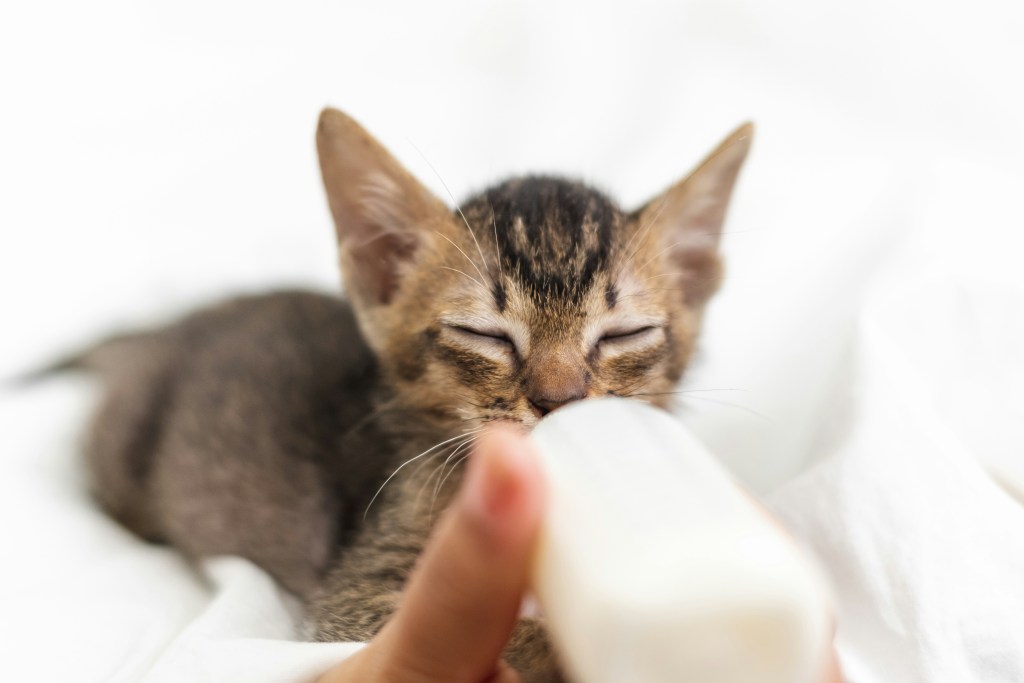
| Nursing Kitten (Weeks 1 to 8) | Queen’s (Mother’s) Milk | Lactase (Extremely high levels) | Structurally capable of breaking down lactose (milk sugar) into simple, highly absorbable sugars. |
| Weaned Juvenile (Months 2 to 6) | Transition to solid animal proteins | Lactase production drops by up to 90% | The pancreas and small intestine systematically phase out the production of dairy-cleaving enzymes. |
| Adult Adult Feline (Ages 1+ Years) | Strict Obligate Carnivore Diet | Lactase (Near zero or completely absent) | Lactose Intolerant: Totally incapable of digesting or processing complex milk sugars. |
The Pathogenesis of the Saucer: What Happens Inside the Gut
When an adult cat laps up a dish of cow’s milk, the liquid slides down their esophagus into the stomach completely normal. However, the true medical crisis launches the moment the dairy enters the small intestine.
Because the adult cat’s system completely lacks the lactase enzyme, the complex milk sugar (lactose) cannot be split into glucose and galactose to be absorbed through the intestinal walls into the bloodstream. Instead, the undigested lactose molecules remain fully intact, continuing their journey straight into the colon.
Once inside the colon, the trapped sugar molecules trigger a highly destructive two-stage biological sequence:
- The Osmotic Draw: The highly concentrated, undigested sugars create an intense osmotic imbalance, aggressively pulling massive amounts of water out of the cat’s body tissue straight into the bowel canal. This instantly liquefies the stool, driving severe, explosive diarrhea.
- Bacterial Fermentation: The local bacteria residing inside the colon swarm the undigested sugars, triggering rapid, violent fermentation. This chemical breakdown releases massive plumes of carbon dioxide and hydrogen gas, causing the intestinal walls to hyper-distend. To your cat, this translates to severe abdominal bloating, excruciating gut cramping, and painful flatulence.
3 Hidden Dangers of Dairy Beyond Lactose Intolerance
Even if your individual cat possesses a rare genetic mutation that allows them to tolerate lactose without visible diarrhea, feeding them standard dairy products introduces three severe nutritional hazards:
1. The Phosphorus and Calcium Overload
Cow’s milk is evolutionarily designed to rapidly grow a fragile, 40kg calf into a massive bovine creature. It is heavily packed with extreme concentrations of phosphorus and calcium. When an adult cat regularly consumes these excess minerals, it places an immense, dangerous filtration strain on their kidneys, acting as a leading catalyst for accelerated Chronic Kidney Disease (CKD) and bladder stone formation.
2. The Casein Protein Allergen
Lactose is not the only culprit inside a milk bottle. Dairy contains heavy loads of a complex protein called casein. Feline immune systems frequently flag casein as a hostile foreign invader, launching an immediate systemic allergic response. This manifests as chronic skin itching, severe fur loss along the belly, and raw, inflamed patches around their neck and face as the cat frantically scratches to relieve the internal itch.
3. The Caloric Obesogenic Trap
A single standard saucer of whole cow’s milk contains roughly 150 calories. As highlighted in Article 16: The Best Diet for Indoor Cats, a healthy 4kg indoor cat only requires about 200 total maintenance calories per day. Feeding them a saucer of milk is the exact human equivalent of eating three entire double cheeseburgers as a casual mid-afternoon snack, rapidly driving them into clinical feline obesity and joint degradation.
The Alternative Matrix: Safe Liquid Treats for Felines
If your cat is intensely drawn to the rich, fatty smell of dairy and constantly begs at the fridge door, you must provide safe, biologically appropriate alternatives that protect their gut lining:
| Dairy Substitute | Nutritional Profile & Processing | Safety Status | Feline Care Action |
| Commercial “Cat Milk” (e.g., Whiskas, TopLife) | Genuine cow’s milk treated with synthetic lactase enzymes to completely neutralize the lactose load. | Safe Option ✅ | Feed strictly as an occasional, measured treat. Factor the high calorie load into their daily food tracking. |
| Plain, Unsweetened Greek Yogurt | Fermentation naturally breaks down the vast majority of lactose sugars; packed with active probiotics. | Tolerable ⚠️ | Give no more than half a teaspoon as an occasional reward. Ensure it contains zero toxic artificial sweeteners like Xylitol. |
| Plant-Based Milks (e.g., Almond, Soy, Oat) | Derived entirely from plant matter; contains zero animal sugars or fats. | Not Recommended ❌ | Completely unsuited to an obligate carnivore’s gut. Often contains added sugars and thickeners that induce vomiting. |
| Fresh Running Water | Zero calories, zero sugars, zero filtration stress; provides 100% direct organ hydration. | The Ultimate Winner 🏆 | Deploy a clean ceramic or stainless-steel circulating water fountain to satisfy their liquid drive naturally. |
Conclusion: Respecting Feline Evolution
The old tradition of putting out a saucer of milk for a cat is a classic example of human desire overriding animal biology. While cats undeniably love the rich taste of animal fats present in cream, their adult digestive architecture simply lacks the genetic tools to process dairy sugars safely. By substituting dangerous cow’s milk with specially formulated lactose-free pet milk or a circulating water fountain, you respect their strict carnivorous design.
You will keep your pet completely free of gastrointestinal pain and ensure your home carpets stay perfectly clean on catfun.co.uk.