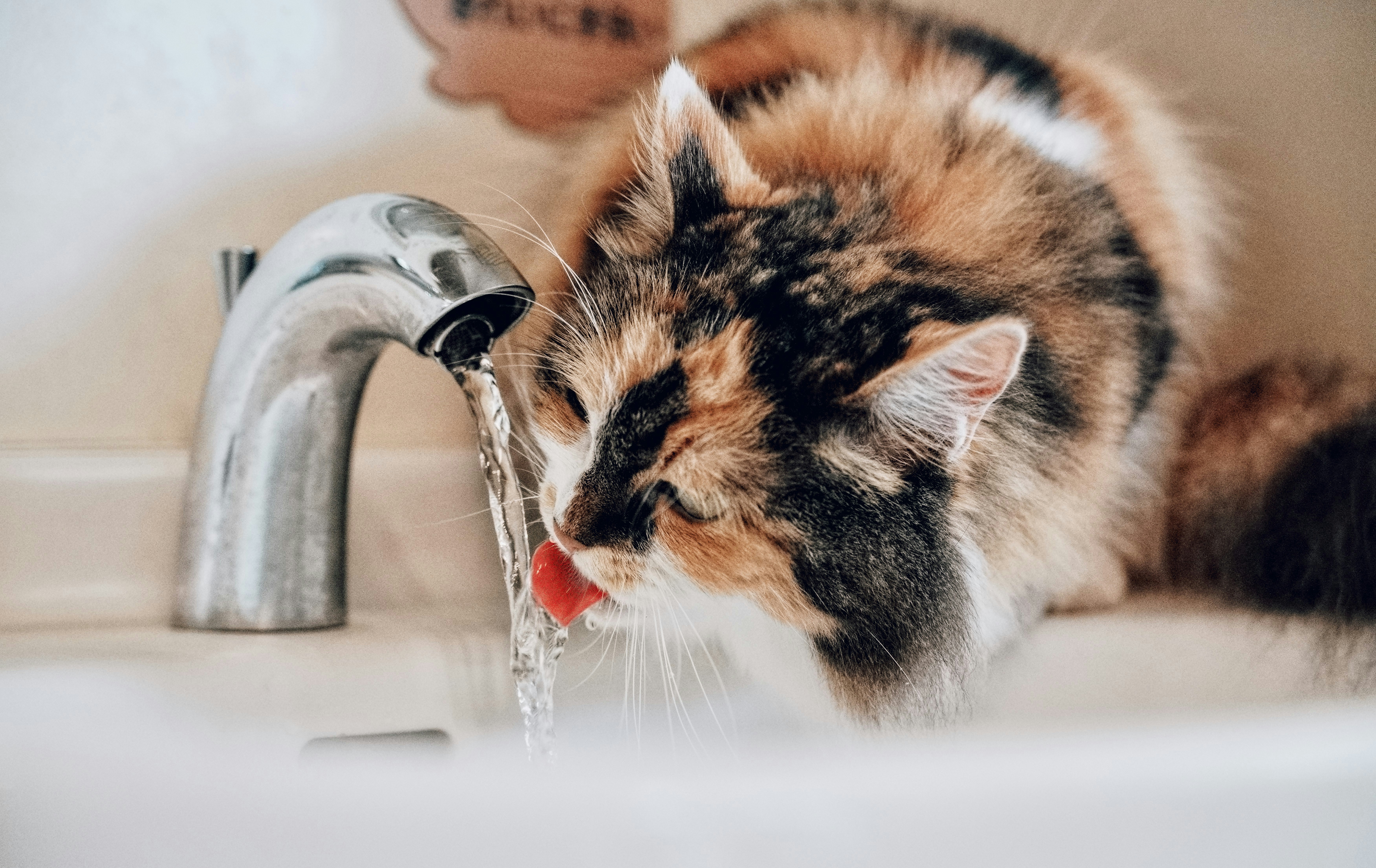
It is a daily routine for millions of pet owners worldwide: you walk over to the kitchen sink, turn on the faucet, and fill your feline companion’s water bowl straight from the tap. It is fast, virtually free, and perfectly convenient. But if you have ever stopped to watch your pet sniff the freshly poured liquid, wrinkle their nose, and walk away entirely unimpressed, you might have wondered: Is tap water actually safe for cats?
While tap water in many countries is heavily regulated and deemed perfectly safe for adult human consumption, a cat’s biological landscape is entirely different from ours. Our small domestic predators possess highly specialized internal filtration systems and sensory organs that are incredibly sensitive to chemical additives, heavy metals, and microscopic minerals.
Understanding whether municipal water is optimal for your pet requires diving into the biochemical composition of our water infrastructure, evaluating regional tap safety variations, and learning how water choices directly impact long-term feline renal health.

The Core Question: Is Tap Water Safe for Felines?
The short answer is yes, in areas where municipal tap water is certified as safe for human consumption, it is generally considered safe for healthy adult cats. If you can drink a glass of water from your kitchen sink without falling ill or needing to boil it first, your cat can technically drink it too.
However, “safe for survival” is not the same as “optimal for long-term health.”
Unlike humans, cats do not have a robust evolutionary tolerance for dietary shifts or processed chemical exposures. Their direct ancestors—the African wildcats (Felis lybica)—obtained their daily moisture entirely from fresh, raw prey or clean, natural wilderness streams. Modern municipal tap water contains an array of purifying agents and dissolved minerals that can subtly clash with a cat’s delicate physiology over a lifetime of daily consumption.
The Tap Water Breakdown: Chemicals, Minerals, and Feline Biology
To truly assess what comes out of your kitchen faucet, we have to look past the clear appearance of the liquid and evaluate its raw chemical structure. Here are the three main components of standard municipal tap water and how they interact directly with a cat’s body.
1. Chlorine and Chloramine (The Purifying Agents)
Water treatment facilities add chlorine or chloramine to the public water supply to kill off harmful pathogens, bacteria, and parasites before the water travels through miles of piping to your home. While these levels are strictly regulated to remain non-toxic to humans, felines are uniquely sensitive to them.
- The Olfactory Factor: A cat’s sense of smell is roughly fourteen times stronger than a human’s. The faint chemical scent of chlorine, which might be completely imperceptible to you, can smell like a harsh swimming pool to your cat.
- The Taste Turn-Off: Because of this intense chemical scent, many cats develop an aversion to tap water, causing them to drink significantly less than they physically need.
2. Microscopic Minerals: The “Hard Water” Dilemma
Water hardness refers to the concentration of dissolved minerals—primarily calcium, magnesium, and carbonates—that the water absorbs as it filters through natural limestone and chalk deposits in the ground.
- The Feline Filtration Challenge: Feline kidneys are evolutionary masterpieces designed to conserve fluid by producing highly concentrated urine. However, this means their urinary tracts are highly susceptible to mineral imbalances.
- The Urinary Crystal Risk: Constantly consuming water with an excessively high mineral content can place an extra processing burden on your cat’s internal filtration organs. Over time, an overabundance of calcium and magnesium in a dehydrated system can crystallize inside the bladder, contributing to painful Feline Lower Urinary Tract Diseases (FLUTD) or life-threatening urinary blockages.
3. Trace Contaminants and Heavy Metals
Even if water leaves a municipal treatment plant in a pristine state, it must travel through an extensive web of older underground infrastructure to reach your home. Depending on the age of your property’s plumbing, tap water can occasionally pick up trace amounts of lead, copper, rust, or microplastics.
Because a cat’s body mass is a mere fraction of a human’s (typically weighing between 3.5kg to 5.5kg), trace amounts of heavy metal exposure that would have zero impact on an adult human can accumulate far more quickly and destructively within a small pet’s internal organs.
The Strategic Importance of Clean Fluid Intake
The real danger of tap water rarely stems from acute chemical poisoning; instead, it stems from behavioral dehydration. Because cats possess a naturally low thirst drive inherited from their desert origins, any subtle off-putting smell or chemical taste in their water bowl can cause them to reject it entirely.
When a cat chooses to skip their water bowl because they dislike the chemical scent of tap chlorine, they quickly enter a state of chronic, low-level dehydration. This lack of fluid intake thickens their urine, overworks their renal filtration units, and serves as a major structural driver behind the development of Chronic Kidney Disease (CKD)—one of the leading causes of illness and mortality in aging domestic cats.
To successfully combat this behavioral rejection and safeguard your pet’s internal wellness, it is essential to implement foundational hydration adjustments. For a complete blueprint on understanding your pet’s evolutionary thirst mechanics and discovering practical structural strategies to increase their daily fluid consumption, explore The Beginner’s Guide to Feline Hydration: Getting Your Cat to Drink More Water.
Evaluating the Alternatives: Tap vs. Filtered vs. Bottled
If you want to move away from standard tap water to provide your cat with a clean, appealing drinking experience, there are several distinct options available.
| Water Type | Pros | Cons | Feline Suitability Rating |
|---|---|---|---|
| Standard Tap Water | Convenient, completely free, consistently available. | Can contain distinct chlorine odors, heavy metals, or excessive mineral hardness. | Acceptable (If human-grade and soft) |
| Filtered Water (Pitcher/Fridge) | Removes heavy metals and chlorine taste; highly cost-effective over time. | Requires regular filter replacements to prevent bacterial buildup. | Excellent (Highly recommended) |
| Bottled Spring Water | Completely free of chlorine smells, consistent taste profile. | High plastic waste, ongoing expense, can still contain high mineral counts. | Good (Great for emergencies) |
| Distilled Water | 100% free of minerals, chemicals, and impurities. | Lacks necessary natural electrolytes; flat taste; can pull minerals out of the body. | Poor (Avoid for daily use) |
Why Filtered Water Wins the Crown
For the vast majority of indoor cat owners, standard carbon-filtered water (such as water from a basic kitchen filter pitcher or a built-in refrigerator system) represents the perfect golden mean.
An activated carbon filter safely binds to and removes the pungent taste and smell of chlorine, neutralizes trace heavy metals, and significantly improves the overall flavor profile of the liquid without stripping away the healthy trace electrolytes that your cat’s body requires. Removing that harsh chemical scent instantly makes the water bowl far more appealing to your cat’s ultra-sensitive nose, naturally encouraging them to drink more frequently throughout the day.
3 Practical Tips for Serving Safe, Enticing Water
Transitioning your cat to a cleaner, safer hydration routine does not require an expensive lifestyle overhaul. You can significantly optimize their daily water setup by implementing these three simple care adjustments:
- Let Tap Water Sit Out: If you do not have immediate access to a water filter, pour your municipal tap water into a clean glass pitcher and let it sit uncovered on your counter for 24 hours before serving it to your pet. This open exposure allows dissolved chlorine gas to naturally evaporate out of the liquid, dramatically lowering its chemical smell and making it far more palatable to your cat’s sensitive nose.
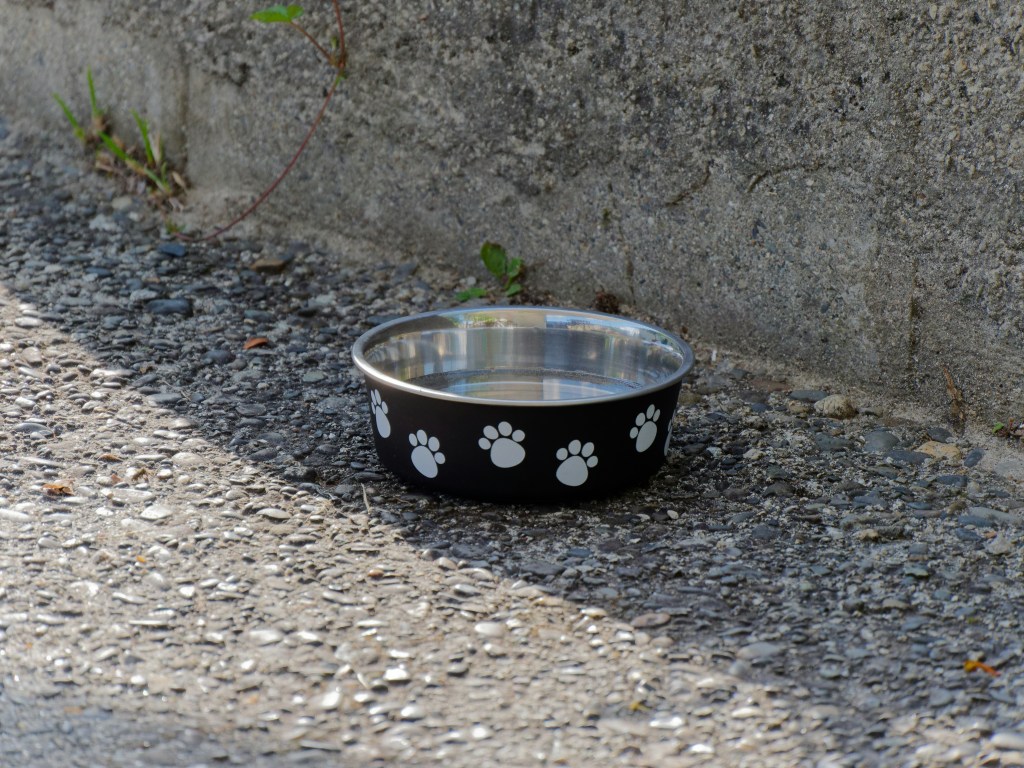
- Utilize Safe Materials: Always serve your filtered water in wide, shallow bowls made of stainless steel, ceramic, or heavy glass. Avoid cheap plastic water dishes, as porous plastic surfaces easily develop microscopic scratches that trap bacteria, oils, and chemical odors, ruining the taste of clean water.
- Keep It Flowing: In nature, a cat’s brain is hardwired to view stagnant, standing water as a dangerous breeding ground for bacteria and parasites. Upgrading to a circulating pet fountain with a built-in charcoal filter keeps the water continuously oxygenated, continuously filters out hair and debris, and provides a crisp, moving stream that mimics a fresh wilderness spring.
The Verdict: Prioritize Appeal for Long-Term Health
While standard municipal tap water is perfectly non-toxic and structurally safe for a healthy cat to drink in an emergency, it is rarely their preferred choice. The lingering scents of chlorine and the heavy mineral profiles found in hard tap water can silently discourage your feline friend from visiting their water dish, paving the way for chronic dehydration and long-term renal complications.
By switching to clean, carbon-filtered water and presenting it in a clean, non-plastic dish away from their food station, you seamlessly strip away the chemical barriers that trigger your cat’s evolutionary suspicions. Clean, odor-free water supports their vital kidney function, keeps their urinary tract running smoothly, and ensures your beloved pet stays happy, healthy, and perfectly hydrated for years to come.