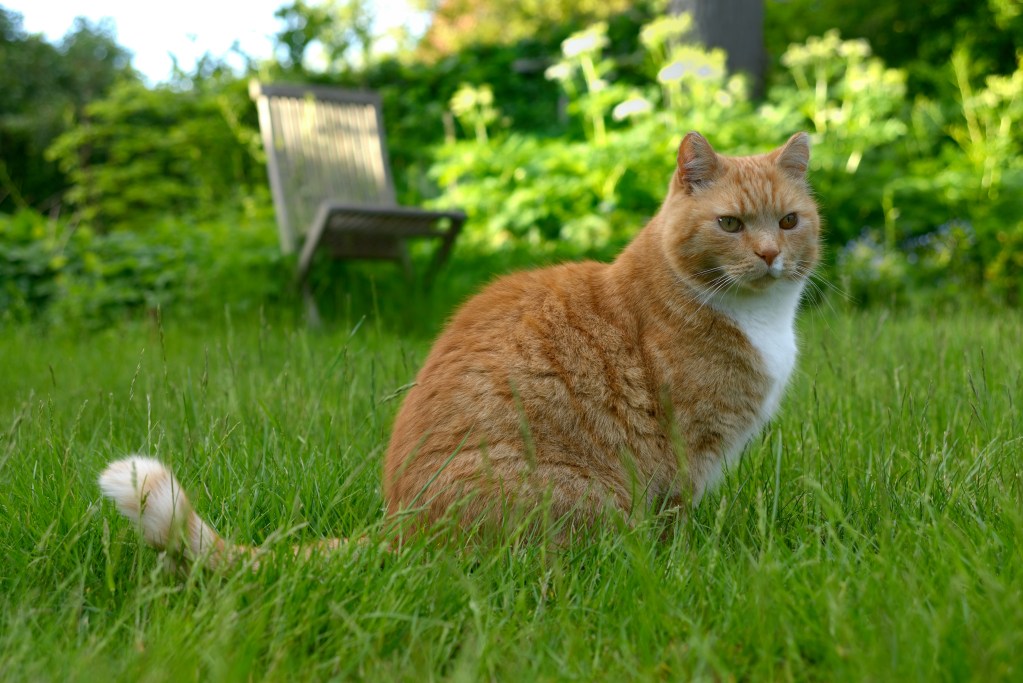
It is a scene that plays out in front gardens and window ledges all over the world: a cat walks out into the grass, carefully selects a long, coarse blade of green lawn grass, meticulously chews it down, and then—within precisely ten minutes—reverses their posture and forcefully vomits a mixture of froth and undigested vegetation onto the cleanest rug in the house.
To a human observer, this behavioral cycle looks completely alarming. Our immediate medical instinct assumes that the cat is either incredibly sick, experiencing a severe nutritional deficiency, or suffering from a deeply confused digestive tract. After all, felines are strictly obligate carnivores whose bodies are built to process meat, not plants.
Yet, international feline behavior studies reveal a fascinating reality: eating grass is an entirely normal, ancient, and highly beneficial instinctual drive.
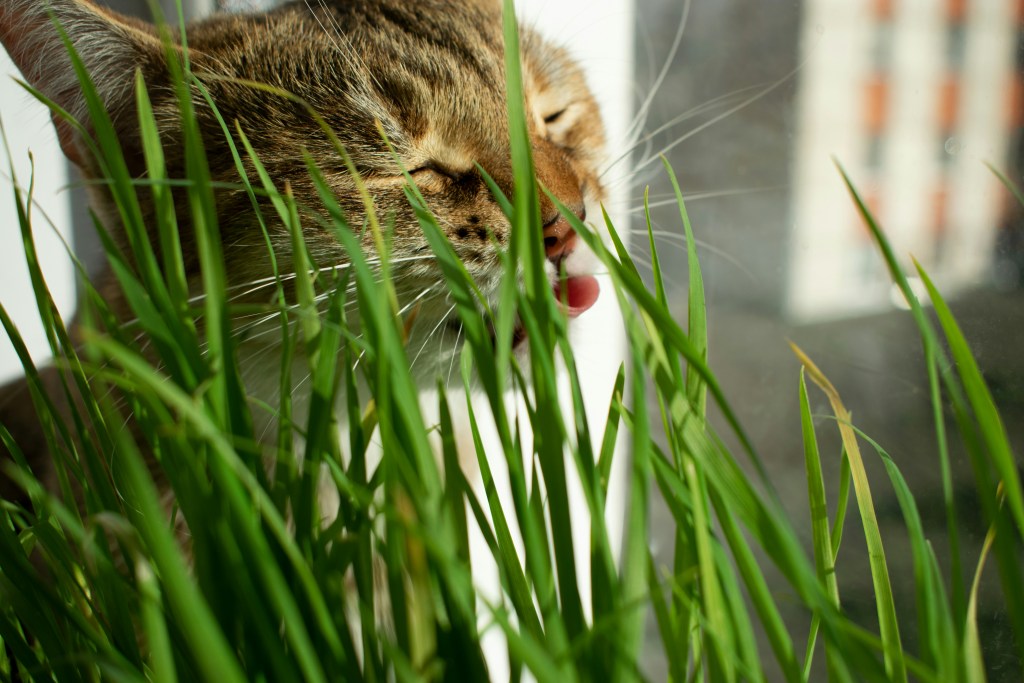
Your cat isn’t eating grass by mistake, nor are they showing a sudden craving for salads. Instead, they are utilizing rough vegetation as a specialized, natural tool to manage their internal filtration systems. This comprehensive guide breaks down the evolutionary science behind why cats eat grass, debunks common backyard myths, and helps you safely manage your indoor or outdoor pet’s botanical habits.
Feline Herbology: The Botanical Matrix
While lawn grass looks identical to a human, individual varieties of grass provide different physical and mechanical benefits to a cat’s upper gastrointestinal tract.
The table below breaks down the primary variations your cat actively targets:
| Grass Variant | Physical Characteristics | Primary Mechanical Function | Feline Target Utility |
| Coarse Outdoor Lawn Grass (e.g., Ryegrass, Fescue) | Thick, rough, wide-edged blades containing sharp micro-serrations. | Triggers a strong mechanical gag reflex inside the stomach lining. | Used explicitly as an emetic tool to clear out hard, undigested debris fast. |
| Fresh Wheatgrass / Oat Grass (Commonly sold as “Cat Grass”) | Soft, tender, highly succulent narrow green blades. | Delivers direct dietary fiber and trace water-soluble nutrients. | Used for low-intensity grazing, smooth intestinal transport, and systemic comfort. |
3 Evolutionary Reasons Why Your Cat Is Grazing
To understand why a meat-eating predator actively swallows green vegetation, we have to look past modern commercial kibble bowls and analyze thousands of years of wild feline survival mechanics.
1. The Natural Emetic Tool (Clearing the Vault)
In the wild, when a small cat hunts and consumes small rodents, birds, or large insects, they don’t elegantly slice away the meat. They swallow the entire prey object whole—including the feathers, bones, fur, and chitinous insect shells. A cat’s stomach completely lacks the specialized digestive juices needed to dissolve these hard elements.
If this debris stays trapped inside the stomach for too long, it can cause a fatal blockage. Because cats lack the biological enzymes to break down grass, the rough blades wrap around the undigested fur and bones, irritating the stomach wall and forcing an immediate, helpful vomiting reflex. Grass acts as a physical sweep, clearing out the stomach vault before damage can occur.
2. Resolving the Indoor Hairball Crisis
Even though your indoor cat on catfun.co.uk isn’t hunting wild birds, they face an identical internal challenge: dead fur. During their intensive daily grooming sessions, a cat’s rough tongue acts like a comb, swallowing massive amounts of loose undercoat hair.
While some of this hair is vomited up as a standard hairball, a significant portion slips down into the intestines. The juices found in fresh grass act as a natural laxative, increasing overall gastrointestinal motility. The fiber adds bulk to the stool, helping smoothly push trapped clumps of fur out through the lower digestive tract before they can form a dangerous intestinal blockage.
3. The Quest for Folic Acid (Vitamin B9)
Fresh, un-squeezed grass juice contains a vital chemical compound known as folic acid (or Vitamin B9). Folic acid is an essential water-soluble vitamin that plays a critical role in supporting a cat’s metabolic architecture. It is responsible for producing hemoglobin—the vital protein that allows red blood cells to transport oxygen cleanly through the bloodstream.
If a wild cat is experiencing a minor dip in their oxygen processing efficiency or low blood counts, their ancient instinct drives them to chew on fresh vegetation to lick up the nutrient-dense juices, supplementing their system naturally.
🚨 The Safety Alert: Lawn Chemicals and Toxic Lookalikes
While eating pure grass is entirely healthy and normal, letting a cat graze freely outdoors comes with two severe environmental risks that every pet parent must actively manage:
- The Pesticide Trap: Never let your cat eat grass from a lawn that has been treated with chemical fertilizers, weed killers, or synthetic pesticides. These toxic residues cling tightly to the blades and can cause severe chemical poisoning, neurological tremors, or kidney failure if swallowed.
- The Toxic Garden Border: Cats frequently get confused and chew on household garden plants right next to the lawn. Many common decorative plants—most notably Lilies, Tulips, Daffodils, and Azaleas—are highly toxic. Swallowing even a single grain of pollen or chewing a single leaf can trigger immediate, fatal acute kidney failure.
How to Set Up a Safe Indoor Feline Garden
If you want to satisfy your cat’s natural evolutionary urge to graze without exposing them to backyard chemicals or toxic garden flora, the absolute best strategy is to cultivate a private indoor cat grass station.
- Source Certified Organic Seeds: Purchase a free-draining seed starter pack containing pure, organic Wheat, Oats, Barley, or Rye seeds.
- Use Clean Potting Soil: Plant the seeds inside a shallow, heavy ceramic pot using organic potting soil that contains zero synthetic chemical additives or time-release fertilizers.
- Provide High Vertical Positioning: Keep the pot on a sturdy kitchen ledge or windowsill where it can absorb indirect sunlight. Water it lightly every two days until the green blades sprout to roughly 10cm tall.
- Introduce the Station Strategically: Place the heavy pot right next to your cat’s main scratching post or feeding zone. This gives them an authorized, completely safe green oasis to chew on, preventing them from destroying your expensive indoor house plants or tracking mud into your living spaces.
Conclusion: Working with Feline Biology
The next time you catch your feline companion chewing on a piece of grass, don’t panic. They are not broken, and they do not need an immediate emergency trip to the vet clinic. They are simply listening to thousands of years of survival programming, using a natural tool to sweep out their stomach, lubricate their digestive tract, and supplement their vital blood systems.