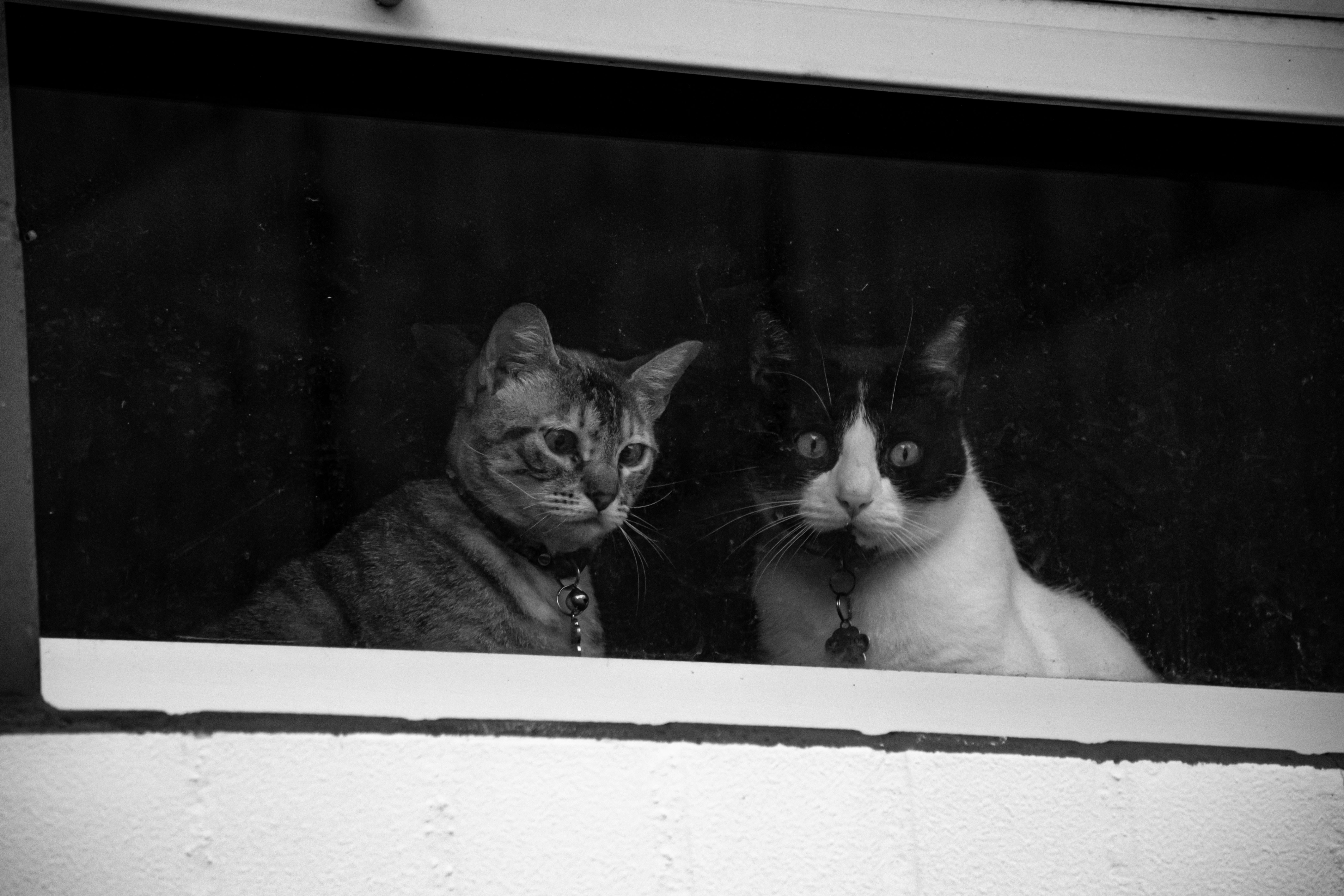

It is a running joke that every cat owner has experienced firsthand. You spend weeks researching the most luxurious, multi-tiered cat tree on the market. You spend your hard-earned money, wait anxiously for it to arrive, and spend an hour assembling it in your living room. You proudly present it to your feline companion, only for them to completely ignore the plush tower, walk directly past it, and happily curl up inside the plain, empty cardboard delivery box it was shipped in.
Even stranger is a cat’s obsession with sizes that are clearly too small for them. A massive, ten-kilogram Maine Coon will systematically attempt to squeeze its entire body into a tiny cardboard shoe box, looking thoroughly squished but entirely content.
Why do felines possess this universal, almost comical obsession with cardboard? While it looks like a quirky behavioral flaw, behavioral science reveals that a simple cardboard box satisfies deep-seated evolutionary survival triggers, thermal needs, and stress-relief mechanisms. Here is the science behind why cats love boxes.
1. The Secure Fortress: The Ambush Predator Instinct
To understand a domestic cat’s affinity for boxes, we must look at their ancestry as solitary ambush predators. In the wild, small felines do not hunt by chasing down prey over long distances like wolves or hounds. Instead, they rely on stealth, camouflage, and the element of surprise.
A cardboard box represents the ultimate secure fortress. It provides four solid walls that completely hide the cat from view while leaving the top open for observation.
When your cat sits inside a box, they feel completely invisible to the rest of the room. This enclosed space satisfies two primary evolutionary survival needs simultaneously:
- Offensive Strategy: It acts as a perfect duck blind or hunting hideout, allowing them to secretly monitor moving targets (like your ankles) and plan a flawless ambush pounce.
- Defensive Strategy: It completely eliminates the possibility of any danger or rival predator sneaking up behind them or from the side. From inside a box, everything in their environment must approach them directly from the front, where they can see it coming.
2. Fast-Acting Stress Relief and Anxiety Reduction
Entering an unfamiliar environment or dealing with changes in the household can cause a cat’s cortisol (stress hormone) levels to skyrocket. Because cats lack natural social conflict-resolution skills—meaning they prefer to run away and hide rather than fight or argue—they require a physical safe haven to process anxiety.
A team of veterinary researchers at the University of Utrecht in the Netherlands conducted a landmark study on shelter cats to test this theory. They divided newly arrived shelter cats into two groups: one group was provided with cardboard boxes in their pens, while the other group received nothing.
The results were staggering. The cats equipped with boxes adapted to their new environment significantly faster, showed vastly lower stress scores within the first few days, and became relaxed and open to human interaction much quicker than the boxless group. The simple presence of a box provided an instant behavioral coping mechanism to manage environmental shock.
3. The Thermal Insulation Effect (Beating the Cold)
Another fascinating factor behind the box obsession is purely thermodynamic. You might feel perfectly comfortable sitting in a living room set to 21°C (70°F), but your cat is likely feeling a bit chilly.
According to a study by the National Research Council, the thermoneutral zone for a domestic cat is between 30°C and 38°C (86°F to 100°F). This is the temperature range in which a cat does not have to expend any metabolic energy to actively heat or cool their body. Because our homes are typically kept much cooler than this, cats are constantly on a quest to find external heat sources.
Corrugated cardboard is an exceptional thermal insulator. Small, tight spaces force a cat to curl up into a tight ball, which minimizes their surface area. As they breathe and radiate body heat, the thick, fibrous walls of the cardboard trap the heat inside the micro-environment, creating a cozy, self-heating nest that perfectly matches their high core temperature requirements.
4. Textural Satisfaction: The Need to Scratch and Bite
Beyond safety and warmth, a cardboard box serves as a brilliant sensory toy. The structural texture of corrugated cardboard provides a highly satisfying tactile resistance when met with feline claws and teeth.
- Claw Maintenance: Scratching cardboard helps cats shed the dead outer layers of their claw sheaths, keeping their hunting tools sharp and healthy.
- Scent Marking: Cats possess scent glands in their paw pads. Scratching a box allows them to deposit their personal pheromones onto the material, effectively transforming a plain shipping box into a marked piece of their personal property.
- “Cardboard Confetti”: Many cats enjoy biting the edges of boxes and ripping off tiny chunks of cardboard. This behavior satisfies a natural predatory urge to chew and tear apart the physical remnants of prey.
How to Build a Safe Cardboard Castle for Your Cat
While boxes are fantastic free toys, you should quickly inspect any delivery box before handing it over to your pet to avoid accidental injuries:
- Remove Packaging Staples: Large, industrial metallic staples used to seal heavy shipping boxes can easily catch on a cat’s paw or scratch their ears. Prise them out completely.
- Strip Away Sticky Tapes: Plastic packaging tapes and shipping labels can get stuck to long cat fur, causing panic and painful pulling. Strip them off the exterior.
- Avoid Toxic Odours: If a box held strong chemical cleaning products, industrial detergents, or scented perfumes, discard it. A cat’s sense of smell is fourteen times stronger than ours, and chemical residues can cause respiratory irritation.
Conclusion: Embrace the Free Entertainment
The next time a cardboard delivery box arrives at your doorstep, don’t rush to toss it directly into the recycling bin. Leave it open on your living room floor for a few days.
It may look like a piece of untidy rubbish in your home, but to your cat, it is a premium, self-heating, stress-relieving fortress that allows them to channel their inner jungle tiger right from the safety of your carpet.