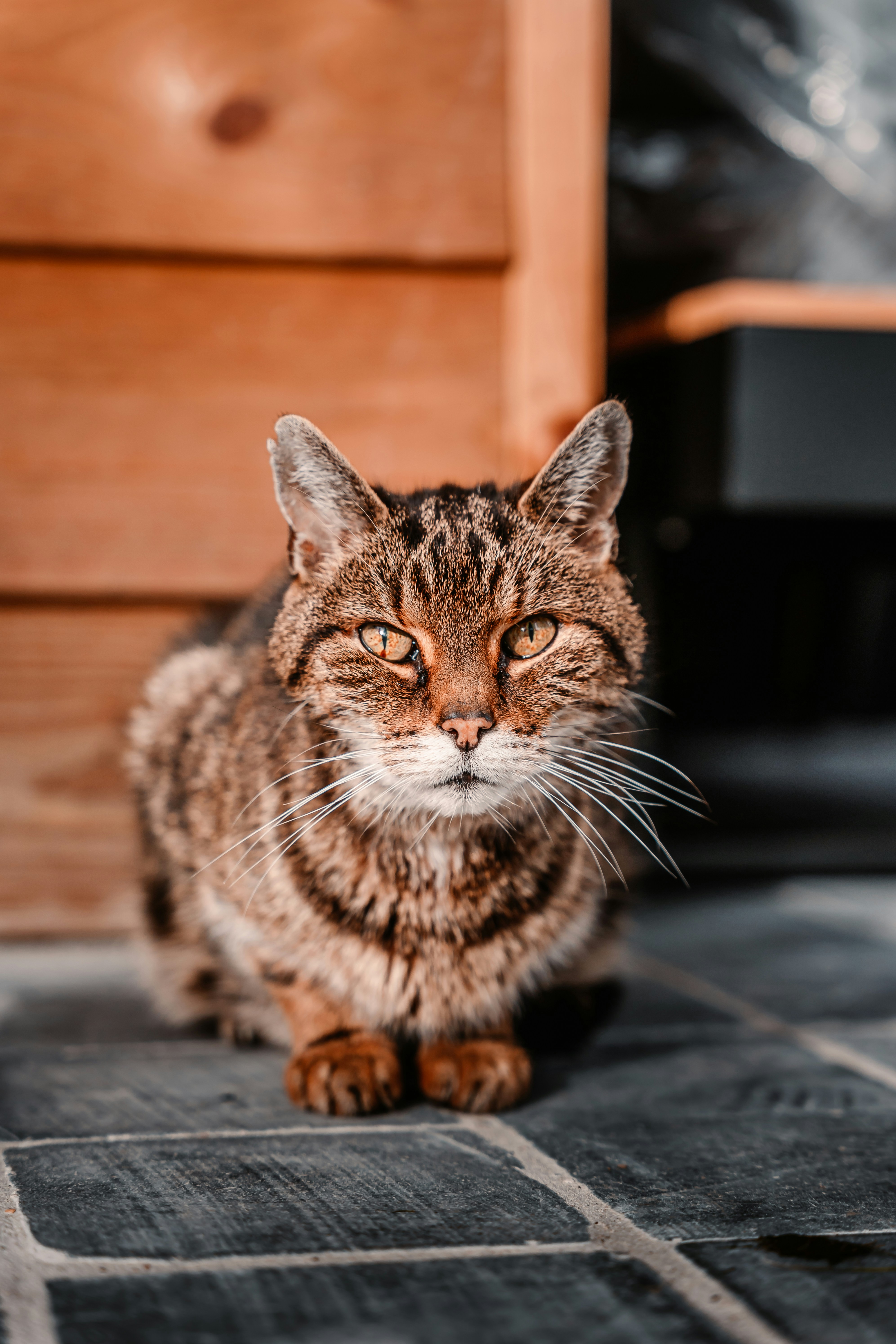

As domestic cats enter their twilight years, their owners frequently celebrate their quiet, slow-paced lifestyle. A senior cat sleeping for twenty hours a day in a favorite sunbeam is often viewed as the picture of peaceful aging. However, deep inside the cellular structures of the aging feline brain, a silent, progressive neurological shift may be occurring.
Veterinary clinical studies indicate that an astonishing 50% of cats aged 11 to 14 years, and up to 80% of felines aged 15 and older, exhibit distinct pathological signs of Feline Cognitive Dysfunction (FCD)—commonly referred to in veterinary medicine as feline dementia.
Because cats are naturally solitary animals that do not communicate their internal confusion through facial expressions, early cognitive decline is routinely missed by pet parents. The subtle warning signs are frequently brushed aside as simple “eccentric old age.”
This advanced clinical guide explores the neurobiology of FCD, maps out the standard diagnostic behavioral framework, and provides a multi-pronged environmental and nutritional management blueprint to slow the progression of dementia and restore your senior cat’s peace of mind.
The Neurobiology of FCD: What Happens Inside the Brain
Feline Cognitive Dysfunction is not an inevitable consequence of getting older; it is a specific, progressive neurodegenerative disease that shares striking pathological similarities with human Alzheimer’s disease. As a cat’s brain cells age, two distinct destructive processes occur simultaneously within the central nervous system:
1. Amyloid-Beta Plaque Accumulation
Over a prolonged period, toxic proteins called amyloid-beta begin to misfold and clump together inside the cerebral cortex and hippocampus—the exact regions of the feline brain responsible for spatial memory, learning, and basic spatial orientation. These sticky protein plaques physically choke the surrounding neurons, severing critical synaptic communication lines and causing localized brain tissue atrophy.
2. Chronic Cerebral Hypoxia
As the vascular system ages, blood vessels supplying the brain naturally stiffen, narrow, and become micro-blocked. This significantly reduces the overall delivery of oxygen and glucose to brain cells (cerebral hypoxia). Starved of essential fuel, neurons experience severe oxidative stress and begin to die off prematurely, leading to a permanent drop in overall cognitive processing speeds.
👁️ The DISHA Framework: Diagnostic FCD Symptoms Matrix
To help veterinary behaviorists identify cognitive decline accurately, the international veterinary community uses a standardized diagnostic acronym known as DISHA.
Review the breakdown table below to cross-examine your senior cat’s current everyday behavior against these clinical parameters:
| DISHA Category | Common Physical / Behavioral Symptoms | Real-World Feline Manifestation |
| D — Disorientation | Spatial confusion; getting trapped behind doors; staring blankly at walls or floors for prolonged periods. | The cat walks into the kitchen corner, stops completely, and stands still facing the wall corner because their brain has temporarily forgotten how to back up. |
| I — Interactions | Altered social bonds; sudden, extreme attention-seeking clinginess, or sudden cold detachment and isolation. | A traditionally independent cat suddenly develops severe separation anxiety, yowling frantically if the human leaves the room for thirty seconds. |
| S — Sleep-Wake Cycles | Reversal of natural circadian rhythms; deep daytime sleeping combined with intense midnight restlessness. | The cat wakes up at 2:00 AM, paces aimlessly across the bedroom floorboards, and lets out deep, hollow, distressing yowls into the dark. |
| H — House-Soiling | Loss of litter box spatial awareness; eliminating right next to the tray or in random household locations. | The cat physically retains control of their bladder but completely forgets where their litter boxes are located, or loses the cognitive map linking the box to excretion. |
| A — Activity Alterations | Purposeless pacing; aimless wandering; a profound loss of interest in grooming, eating, or territory scanning. | The cat wanders in circles down the hallway, completely ignoring their favorite catnip toys, scratching trees, or window viewing spots. |
Ruling Out the Medical Mimics
Before assuming your senior companion has developed dementia, you must secure a comprehensive veterinary health panel. Several painful, chronic internal medical conditions mimic the exact symptoms of FCD, and treating these primary illnesses can often restore normal behavior instantly:
- Systemic Hypertension (High Blood Pressure): Commonly driven by chronic kidney disease or hyperthyroidism, high blood pressure causes sudden midnight yowling and pacing loops. Left untreated, it can cause sudden retinal detachment and permanent blindness.
- Osteoarthritis Pain: An arthritic cat who experiences sharp hip or spinal pain while stepping into a high-walled tray will begin urinating on the carpet, mimicking dementia house-soiling.
- Urinary Tract Infections (UTIs): Sterile bladder issues or low-grade infections drive constant restlessness, pacing, and frequent litter box straining.
4 Management Pillars to Slow Feline Dementia
While there is currently no permanent cure to reverse the cellular damage caused by Feline Cognitive Dysfunction, you can successfully deploy a multi-pronged intervention strategy to dramatically slow down the degeneration of neurons and preserve your cat’s quality of life.
1. Environmental Stability and Visual Anchors
An anxious, disoriented brain thrives on strict predictability. Keep your house layout entirely stable—avoid moving large furniture items, altering room configurations, or introducing sudden, noisy home renovations.
Install soft, low-powered LED nightlights in dark hallways, utility spaces, and right next to their litter box stations. This gives their aging eyes an immediate visual anchor during the night, drastically reducing the environmental panic that triggers distressing midnight vocalisation loops.
2. The Multi-Box Senior Access Redesign
To prevent house-soiling incidents, rewrite the layout of your litter trays. Place a box on every single floor level of your home so your cat never has to navigate stairs while confused. Switch your standard trays out for low-profile senior boxes featuring an entry lip of 5cm or less, allowing arthritic, disoriented legs to step inside effortlessly without experiencing sudden edge pain.
3. Antioxidant & Neuroprotective Nutrition
Work with your veterinarian to transition your senior feline to a diet heavily enriched with omega-3 fatty acids (DHA and EPA), Vitamin E, Vitamin C, and L-carnitine. These advanced compounds act as potent free-radical scavengers, actively neutralizing oxidative stress within the brain tissue and shielding surviving neurons from amyloid plaque degradation.
Oral supplements containing S-adenosylmethionine (SAMe) and Ginkgo biloba have also shown excellent clinical success in improving overall cerebral blood flow and enhancing cognitive awareness scores.
4. Continuous Micro-Targeted Enrichment
Never allow a senior cat’s brain to completely check out from reality. Engage them in low-intensity, highly rewarding mental stimulation every day. Use soft snuffle mats to hide high-value treats, spend ten minutes brushing their fur to stimulate tactile nerve endings, and introduce new, safe scents (like dried valerian root or silver vine sticks) into their environment to keep their sensory pathways firing.
Conclusion: Navigating the Sunset Years
Managing a companion with Feline Cognitive Dysfunction requires a profound shift in human perspective. When your cat stands in a dark room crying out at midnight, they are not acting out of malice or spite; they are looking to you as their anchor in a world that is slowly becoming unfamiliar. By stabilizing their environment, updating their nutritional matrices, and introducing low-height access changes, you break the cycle of mental disorientation.
You will provide your senior tiger with a peaceful, highly dignified sunset chapter, keeping their minds comfortable and secure on catfun.co.uk.