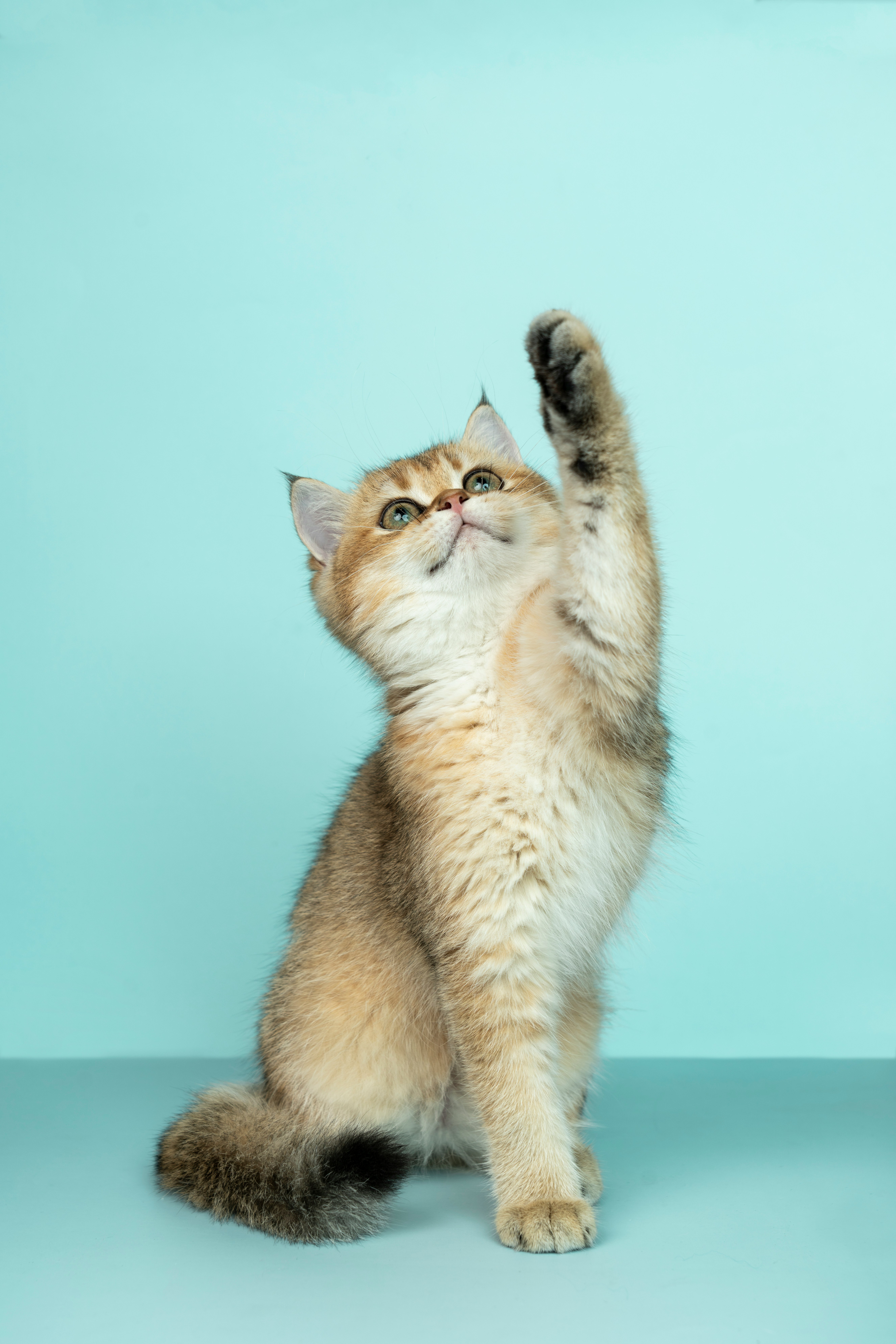

Unlike dogs, who often make their emotions blindingly obvious with a frantic, full-body wag, cats communicate using a much more nuanced vocabulary. While a dog wagging its tail almost universally means joy, a cat moving its tail can indicate anything from absolute adoration to impending frustration and defensive aggression.
Because felines are relatively quiet animals, their tails act as a primary visual billboard to broadcast their exact emotional state to the world.
If you have ever been petting your cat only for them to suddenly turn around and scratch you out of nowhere, you likely missed a subtle warning signal broadcasted by their tail minutes prior. To help you master feline communication, this guide breaks down the five most critical tail movements every cat owner needs to understand.
The Anatomy of Expression: How the Tail Works
A cat’s tail is a direct extension of their spine. It contains roughly 18 to 23 caudal vertebrae, which make up nearly 10% of the animal’s total skeletal structure. This complex chain of bones is surrounded by a dense network of specialized muscles, tendons, and nerves.
While the tail is a vital tool for physical balance—acting as a counterbalance when a cat scales a narrow fence or leaps after a bird—it is equally important as an emotional barometer. The brain sends rapid neural impulses straight down the spine, causing the tail to shift positions instantly based on changes in their internal mood.
1. The “Question Mark” Tail: Friendly and Playful
When your cat walks into a room with their tail held completely upright, high in the air, with a slight, elegant curve at the very tip, you can breathe a sigh of relief. This is famously known as the “Question Mark” or “Inverted U” tail position.
What it means:
This is the ultimate feline green light. It signals that your cat is in a highly relaxed, confident, and social mood. They are actively inviting interaction, play, or affection.
The Action Step for Owners: This is the absolute best time to initiate a play session, offer a favorite treat, or engage in deep chin scratches. If they walk up and gently wrap that curved tail tip around your wrist or ankle, they are physically claiming you as a trusted friend.
2. The Twitching or Lashing Tail: Overstimulation and Frustration
If your cat’s tail is low to the ground or resting flat, and the tip begins to twitch rhythmically like a clock pendulum—or worse, the entire tail starts thumping heavily against the floor—take a step back.
What it means:
Unlike a happy canine wag, a lashing or heavily twitching feline tail is a clear emotional warning flag. It indicates growing internal frustration, agitation, or a state of high overstimulation. It is their way of saying, “I am reaching my physical limit, and I need space.”
You will frequently see this happen mid-way through a long petting session. While the cat might still be purring, their tail is warning you that the physical friction is becoming overwhelming to their sensitive skin.
The Action Step for Owners: Stop petting them immediately. Do not try to pick them up or soothe them. Simply remove your hands and let them sit quietly until the tail movement comes to a complete rest. Failing to respect this signal is the number one cause of “accidental” cat scratches.
3. The Puffed-Up “Bottle-Brush” Tail: Extreme Fear
If you drop a heavy pan in the kitchen or an unfamiliar dog suddenly walks into the room, your cat’s tail will instantly double or triple in visual size, resembling a round bottle-brush or an antique feather duster. This is usually accompanied by an arched back and flattened ears.
What it means:
This is a purely involuntary physiological response known as piloerection, where tiny muscles at the base of each hair follicle contract out of pure panic.
In nature, a cat facing a threat wants to look as large and intimidating as possible to deter a predator. By puffing up their tail fur and standing sideways, they attempt to trick an enemy into thinking they are a much larger, highly dangerous opponent.
The Action Step for Owners: Never try to approach or comfort a cat with a puffed-up tail. Their adrenaline levels are in a red-alert state, and they may lash out in defensive aggression. Remove the source of the scare from the room and let them calm down naturally in a quiet hiding space.
4. The Low or Tucked Tail: Anxiety and Submissiveness
When a cat walks with their tail held very low to the ground—or tucked completely beneath their belly between their hind legs—they are trying to shrink their physical presence.
What it means:
A tucked tail indicates that a cat is feeling intensely vulnerable, anxious, or submissive. They are trying to hide their scent glands (which are located near the base of the tail) to avoid drawing any attention to themselves. This position is highly common when a cat is introduced to a new home, a new pet, or when they are feeling physically unwell.
The Action Step for Owners: Try to identify what is making your cat feel insecure. Offer them an elevated hiding spot, like a tall cat tree or an open cardboard box, where they can observe their surroundings safely from above.
5. The Quivering Vertical Tail: Pure Joy and Excitement
One of the most rewarding tail signals occurs when your cat sees you open a fresh tin of wet food, or when you return home after a long day at work. Their tail shoots straight up into the air like an antenna and begins to rapidly vibrate or quiver from the base to the tip.
What it means:
This micro-vibration is an expression of anticipation and pure joy. It means your cat is experiencing a sudden rush of positive adrenaline. They are thrilled to see you and cannot contain their excitement.
Conclusion: Watch the Whole Cat
While the tail is an exceptional emotional indicator, you should always read it alongside their eyes and ears. A twitching tail combined with wide, dilated eyes means a cat is hunting; a twitching tail with narrow eyes and pinned-back ears means a cat is angry.
By learning to spot these five distinct visual flags on catfun.co.uk, you will transform the way you interact with your pet, building a deeper level of mutual trust and respect.