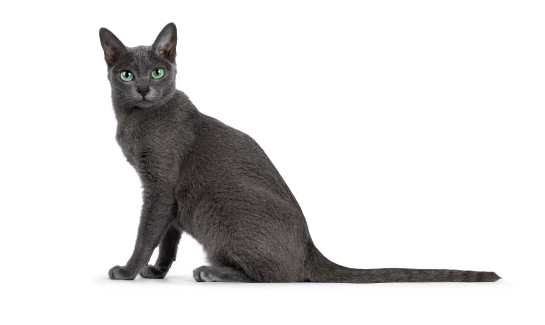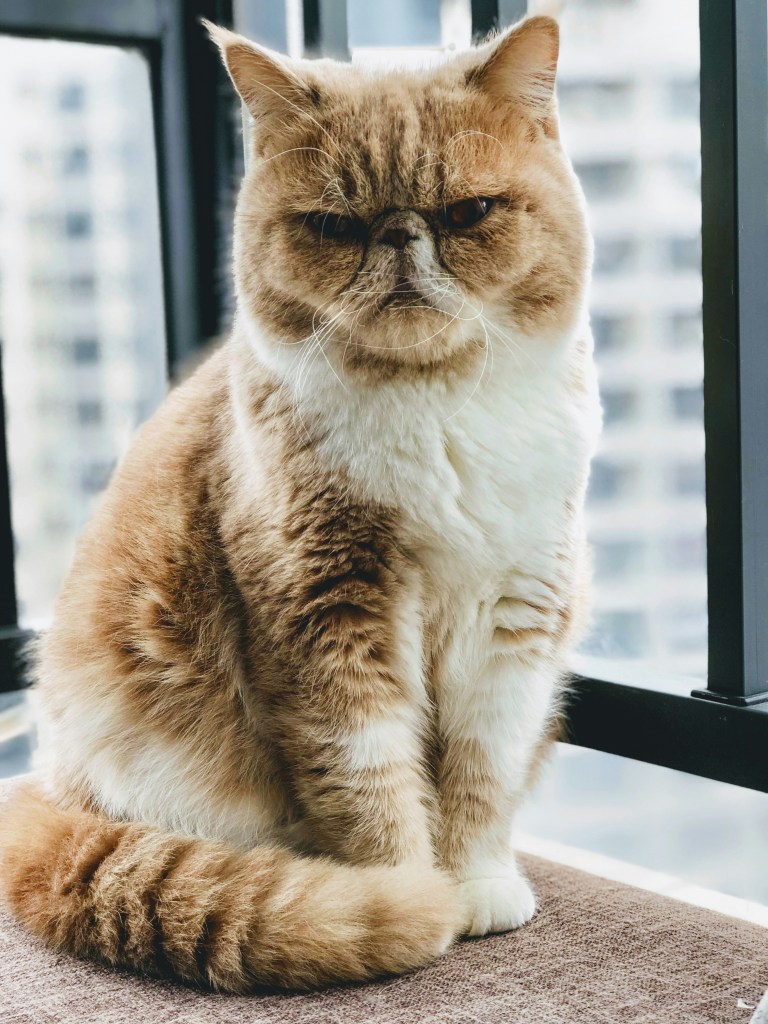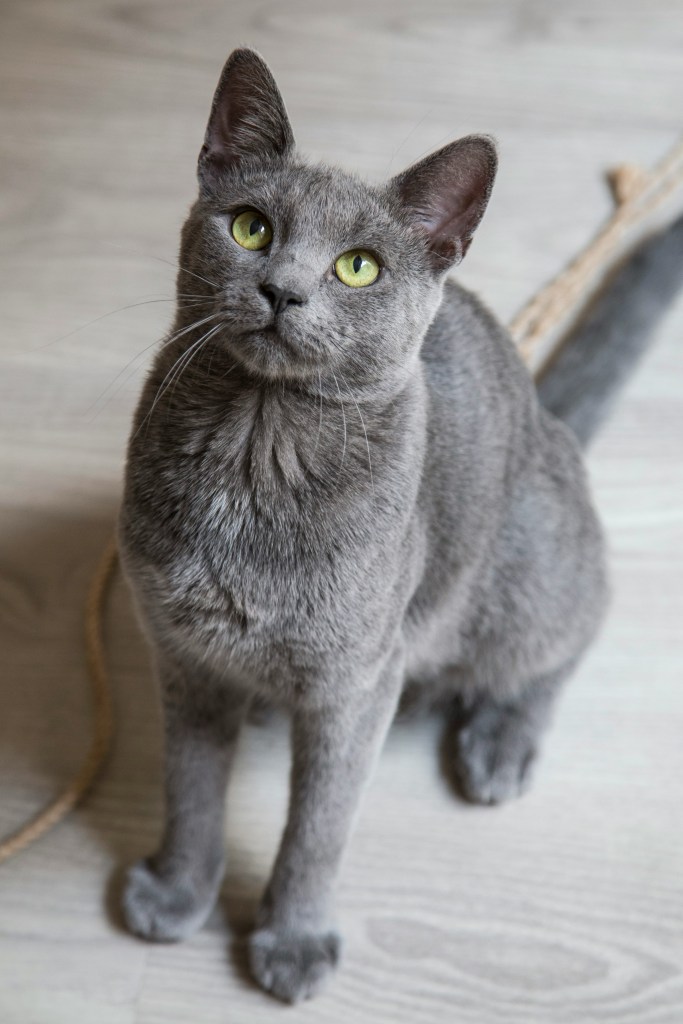
If you are looking for a calm, deeply affectionate feline that brings a sense of serene, ancient dignity into your household, the Chartreux is a flawless selection. Widely celebrated as the historic national treasure of France, this striking breed is famous for its dense, water-resistant slate-blue coat and its intense, copper-colored eyes.
Often described as a “smile wrapped in wool,” the Chartreux carries a natural facial structure that makes them look as though they are perpetually grinning. They are the ultimate low-stress, indoor-optimized companions—highly intelligent, exceptionally quiet, and quietly devoted felines that prefer a predictable, peaceful lifestyle. Let’s dive deep into the fascinating history, specialized weather-proof anatomy, and gentle behavioral patterns of the exquisite Chartreux cat.
🐾Physiological and Behavioral Profile
| Breed Attribute | Standard Metric / Trait |
|---|---|
| Average Weight | Males: 5.4kg – 7.2kg (12–16 lbs) Females: 3.6kg – 5.4kg (8–12 lbs) |
| Average Lifespan | 12 to 15 years |
| Coat Texture & Type | Short to medium-short, exceptionally dense, plush double-coat; woolly and water-repellent |
| Energy & Activity Level | Low to Moderate (Calm, observant, enjoys short bursts of play and deep rest) |
| Vocalization Level | Extremely Low (Famously silent; communicates via rare, tiny chirps or purrs) |
From Monastic Legends to French Royalty: The Historic Origin
The history of the Chartreux is steeped in beautiful European folklore. According to ancient French legend, these blue felines were companion animals to the Carthusian monks at the Grande Chartreuse Monastery, nestled high in the French Alps north of Grenoble. It was said that the cats took vows of silence alongside the monks, a myth born from the breed’s famously quiet nature.
In the physical world, the first documented written accounts of the breed emerged in the 18th century, where naturalists classified them as Felis catus coeruleus—the blue cat of France. They were highly prized by French farmers, merchants, and nobility alike for their peerless capability as “mousers.”
Tragically, like many European lineages, the Chartreux was nearly driven to complete extinction during World War II. Dedicated French breeders painstakingly revived the breed by carefully combining the remaining pure lines with blue British Shorthairs and Persians. The breed achieved full international championship recognition with the Cat Fanciers’ Association (CFA) in 1987. Today, they remain a fiercely protected and cherished lineage celebrated by registries worldwide, including The International Cat Association (TICA).
📐 Distinct Physical Architecture & The Woolly Blue Phenotype
Physically, the Chartreux exhibits a robust, substantial, and highly muscular somatotype. They carry a heavy skeletal framework with an incredibly broad, deep chest and short, fine-boned legs—a physical layout that has earned them the nickname “a potato on toothpicks.” Their heads form a soft, contoured trapezoid shape with full, rounded cheeks and prominent jaw pads that create their signature “smiling” expression. Their eyes are large, round, and alert, radiating a brilliant shade of gold, orange, or deep, fiery copper.
The absolute hallmark of the breed is its unique weather-proof coat, which operates under highly specialized physical parameters:
- The Woolly Double-Coat: Inherited from their ancestry in the cold mountain regions of France, the Chartreux possesses a medium-short coat with a remarkably dense, plush undercoat. The fur has a distinctly tactile, “woolly” texture that stands slightly away from the body rather than lying flat.
- Natural Water Repellency: The sheer density of the coat, combined with natural skin oils, makes the fur highly water-repellent. If caught in rain or mist, moisture pools on the surface of the coat rather than soaking through to the epidermis.
- The Spectrum of Blue: The breed standard allows for all shades of slate-blue, ranging from a pale, shimmering ash-grey to a deep, dramatic slate hue. The tips of the hair shafts often carry a distinct silver tipping, giving the cat a luminous, metallic sheen when they move.
🧠 Behavior, Temperament, and Family Compatibility
The psychological and behavioural profile of the Chartreux cat centers around an extraordinary capacity for silent observation, emotional stability, and independent devotion. They are the absolute introverts of the feline world.
1. The Vow of Silence
True to their monastic legends, Chartreux cats are famously mute. They almost never meow, scream, or vocalize to express their needs. If a Chartreux wants your attention, wants their dinner, or finds themselves accidentally locked in a closet, they will not yell. Instead, they will stand patiently by the door and stare at you with their large copper eyes, or emit an ultra-soft, tiny chirp that is barely audible.
2. Calm, Observant Intelligence
Chartreux cats possess a sharp, highly analytical mind. They are meticulous observers that will sit quietly on a chair for hours, studying a moving object, a household routine, or a piece of machinery. They are exceptional natural problem solvers, frequently learning how to open latches, activate button-controlled water fountains, or open cabinet doors purely by watching their human owners.
3. Unflappable Family Socialization
Because of their deeply stable, non-reactive nervous systems, Chartreux cats adapt seamlessly to modern family homes. They are remarkably tolerant and gentle, making them a premier choice for households with active young children or resident cat-friendly dogs. They do not panic or hide when guests arrive; instead, they step forward calmly to investigate the new visitors with absolute confidence.
🧼 Grooming, Diet, and Health Considerations
Because of the extreme density of their woolly double-coat, the Chartreux requires consistent physical maintenance, especially during the spring shedding season. A thorough twice-weekly combing with a high-quality steel comb is required to lift away loose undercoat hairs and prevent density mats from forming close to the skin. Interestingly, due to their water-repellent fur, bathing a Chartreux can be quite a challenge, as it takes considerable effort to get their dense coat thoroughly wet. From a medical standpoint, they are highly resilient, though attention must be paid to a few specific corridors:
- Patellar Luxation: A hereditary condition where the kneecaps can occasionally slip out of their natural structural alignment. Ethical breeders screen their parent lines carefully to ensure this skeletal trait is not passed down to kittens.
- Feline Cystine Urolithiasis: Chartreux cats can occasionally carry a slightly higher genetic risk for developing struvite or calcium oxalate crystals within their urinary tracts. Providing a moisture-rich diet and utilizing active water fountains is highly recommended to protect their renal systems.
- Caloric Control for Heavy Somatotypes: Because they are naturally heavy-boned and lead a calm, low-energy lifestyle, adult Chartreux cats can easily cross into feline obesity if overfed. Prioritizing a portion-controlled diet rich in animal proteins while avoiding free-feeding is essential to protect their joints.
Final Thoughts: Is the Chartreux Right for You?
Welcoming a Chartreux into your home is very much like introducing a peaceful, beautifully silver-blue anchor of absolute tranquility into your life. If you prefer a highly vocal, high-energy, acrobatic cat that will constantly demand your active attention, their quiet, grounded, and silent nature may feel a bit too reserved. But if you desire an incredibly intelligent, deeply loyal, and visually breathtaking companion that will calmly anchor your household with unconditional love and a permanent smile, the Chartreux is perfection itself. To explore more about tracking down ethical global breeders or reviewing international standard lines, the registry archives of the Governing Council of the Cat Fancy (GCCF) offer exceptional, trusted guidance.