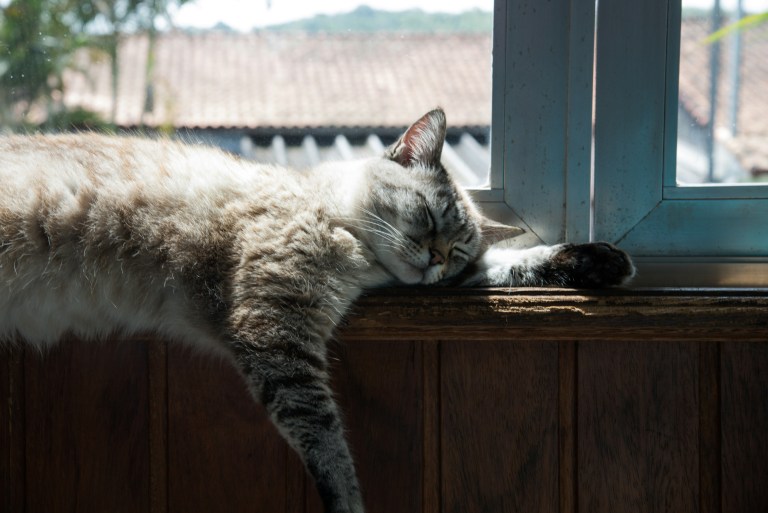

Felines are obligate carnivores. From a strictly biological standpoint, this means your pampered house cat is an elite, highly specialized predator whose body is anatomically engineered to derive all its essential macro-nutrients, vitamins, and metabolic energy exclusively from animal tissue. Unlike dogs or humans, cats possess no nutritional requirement for carbohydrates. Their digestive systems completely lack the specialized enzymes needed to efficiently break down complex plant matter, grains, or starches.
When a cat transitions to a strictly indoor lifestyle, their daily caloric expenditure drops dramatically compared to their outdoor or wild ancestors.
Without regular territory patrolling, hunting marathons, or environmental weather challenges to burn through energy reserves, indoor felines face a silent health crisis: the carbohydrate trap. Feeding an inactive indoor cat a diet heavy in grain-filled dry kibble is the direct biological equivalent of feeding a sedentary office worker fast food for every meal.
This comprehensive guide explores the strict science of feline nutrition, compares individual feeding methodologies, and helps you formulate the absolute best diet to optimize your indoor cat’s long-term health.
The Macro-Nutrient Blueprint: Wet vs. Dry Food Matrix
To maximize your indoor cat’s lifespan, you must closely mimic the nutritional profiles found in nature. In the wild, a cat’s natural prey (such as small rodents or birds) consists of roughly 50% to 60% protein, 30% fat, and less than 10% carbohydrates.
The table below breaks down how modern commercial diets stack up against a cat’s evolutionary blueprint:
| Diet Category | Average Moisture Content | Average Protein Level | Average Carbohydrate Load | Primary Health Risk for Indoor Felines |
| Wild Prey Blueprint | 70% – 75% | 55% (High-quality animal protein) | < 5% | None (Evolutionary baseline) |
| Premium Commercial Wet Food | 75% – 82% | 45% – 55% | < 8% | None (Supports lean muscle and direct organ hydration) |
| Standard Dry Kibble Biscuit | 6% – 10% | 25% – 35% (Often plant-based) | 35% – 50% (Starch binders) | Extreme risk of clinical obesity, feline diabetes, and urinary blockages |
3 Critical Reasons Why Wet Food Wins for Indoor Cats
While dry kibble is incredibly convenient for human owners, a diet primarily consisting of high-quality wet food pouches or tins is far superior for a sedentary indoor cat’s internal biology.
1. The Prevention of Chronic Dehydration
As highlighted across catfun.co.uk‘s hydration blueprints, cats have a naturally low thirst drive. They are biologically programmed to consume their water inside their meals.
Because dry kibble lacks moisture, a cat on an exclusive dry diet lives in a state of permanent, low-level dehydration. This concentrates their urine, placing a damaging strain on their kidneys and frequently triggering Feline Lower Urinary Tract Disease (FLUTD). Wet food resolves this instantly by delivering direct hydration with every single bite.
2. Bypassing the Insulin Spike
To compress a dry biscuit into a shelf-stable shape, manufacturers must use heavy amounts of starches and carbohydrates (such as corn, wheat, peas, or potatoes). These massive carbohydrate loads cause sudden, rapid blood glucose spikes inside a cat’s system. Because a sedentary indoor cat isn’t burning off this sudden influx of sugars, their pancreas becomes chronically overworked, serving as the leading driver for Feline Type II Diabetes.
3. Maintaining Lean Muscle Mass
Sedentary cats lose muscle density rapidly if their protein intake drops. High-quality wet foods leverage real meat sources rich in essential amino acids like taurine and arginine. These building blocks are critical for supporting your cat’s cardiac health, maintaining strong vision, and keeping their muscle-to-fat ratios tightly optimized.
The Caloric Equation: Stopping Indoor Feline Obesity
Because indoor cats spend up to 80% of their day sleeping or resting, their metabolic rates are significantly lower than free-roaming outdoor animals. Leaving a large bowl of dry food out for “free feeding” or grazing is a recipe for medical disaster.
Veterinary nutritionists use a standard scientific formula to calculate an indoor cat’s Resting Energy Requirement (RER):
\(\text{RER\ (Calories\ per\ day)}=70\times (\text{Body\ Weight\ in\ kg})^{0.75}\)
For a standard, healthy 4kg indoor adult cat, their daily maintenance requirement is roughly 180 to 200 calories total.
If you feed them even 20 extra calories a day via handfuls of commercial treats or oversized kibble scoops, that minor excess accumulates rapidly, leading to clinical obesity within a single calendar year. Excess body fat places an immense, painful strain on their skeletal joints and acts as a direct driver for chronic systemic inflammation.
5 Steps to Formulate the Perfect Indoor Diet Protocol
To transform your indoor cat’s nutritional routine without shocking their sensitive digestive systems, implement this multi-step feeding protocol:
Step 1: Transition to a Scheduled Feeding Routine
Ditch the free-choice grazing bowl immediately. Establish three to four small, structured meal times throughout the day. This closely mimics a wild cat’s natural evolutionary rhythm of catching multiple small pieces of prey, preventing them from overeating out of pure boredom.
Step 2: Implement a “Wet-First” Strategy
Aim to make wet food the vast majority of their daily caloric intake. If your lifestyle requires you to leave dry food out while you are at work, use a highly controlled, automated digital portion feeder to distribute tiny, exact kibble amounts rather than letting them self-soothe with food.
Step 3: Prioritize Real Meat Named Ingredients
When reading commercial pet food labels, look closely at the ingredient deck. The first three items listed must be specific, clearly named animal proteins (such as “Deboned Chicken,” “Fresh Salmon,” or “Turkey Liver”). Avoid products that lead with vague terms like “Meat By-Products,” “Animal Derivatives,” or “Cereal Grrains.”
Step 4: Add Safe Volumetric “Fillers” for Picky Felines
If your indoor cat is constantly begging for food despite hitting their exact caloric limits, you can increase their meal volume without adding sugars or fats. Mixing a tablespoon of pure, unsweetened pumpkin purée or steamed cat grass into their wet food adds excellent dietary fiber. This slows down their digestion, keeps them feeling fuller for longer, and aids in the smooth passage of hairballs through the intestines.
Step 5: Harness the Power of Food Puzzles
Never serve an indoor cat their dry biscuits in a flat, boring porcelain dish. Force them to hunt for their calories by utilizing plastic food puzzles, rolling treat balls, or hidden snuffle mats. This simple environmental modification provides essential mental simulation, slows down rapid gulping behavior, and converts mealtime into a fun, calorie-burning game.
Conclusion: Investing in Lifespan
Selecting the best diet for an indoor cat simply requires you to respect their evolutionary carnivorous design while actively managing their quiet, low-energy lifestyle. By prioritizing moisture-rich, low-carbohydrate wet meals, scheduling portion-controlled feeding cycles, and forcing them to work for their food via puzzles, you seamlessly protect their internal filtration systems.
Your cat will enjoy a leaner, more energetic lifestyle, and you will save your household from expensive, avoidable veterinary interventions on catfun.co.uk.