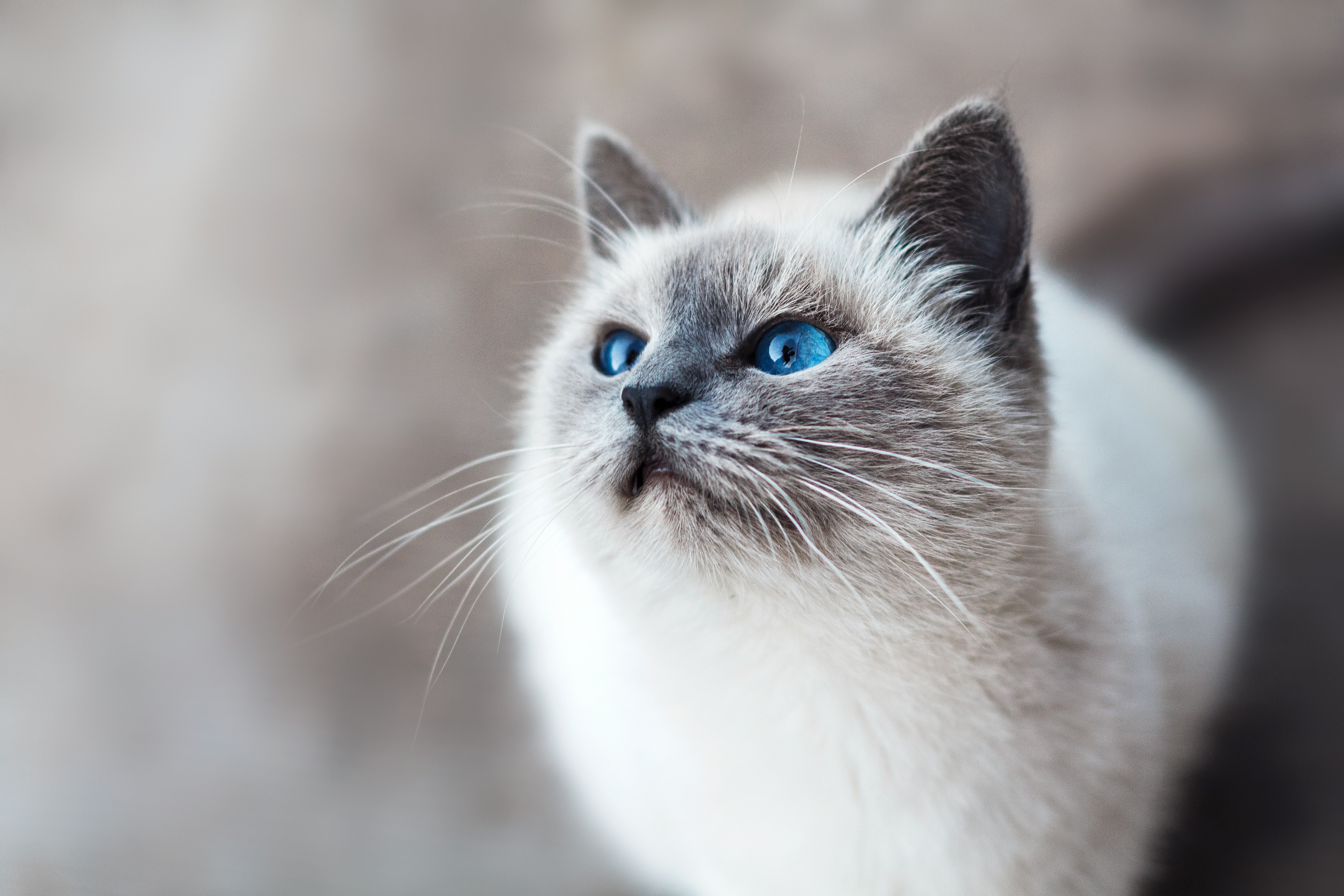

Introduction
To the casual observer, the domestic cat (Felis catus) is often unfairly labeled as enigmatic, aloof, or emotionally unreadable. While dogs readily broadcast their emotional states through overt body movements like tail wags and submissive grins, feline communication is infinitely more sophisticated. Research in veterinary ethology reveals that cats possess a complex array of facial expressions driven by subtle muscle movements.
Understanding the science behind these feline expressions is not just a fascinating pursuit for cat lovers; it is a foundational component of responsible pet ownership. For indoor cat owners, recognizing these micro-expressions is vital for identifying hidden stress, underlying pain, and genuine contentment. By breaking down the biological mechanisms behind your cat’s eyes, ears, whiskers, and mouth, we can decode the silent language of our companion animals.
The Anatomy Behind the Expression
To appreciate how a cat communicates, we must first look at their physical facial structure. Feline faces are highly muscular, featuring a complex network of superficial twitch muscles capable of altering the position of the eyes, ears, and whisker pads in fractions of a second. Unlike humans, who rely heavily on vocal inflection and mouth shapes to convey emotion, a cat’s primary expressive zones are located across the upper half of the face: specifically the ears and eyes.
Furthermore, a cat’s whiskers—technically known as vibrissae—are deeply embedded in highly sensitive nerve pockets. These tactical hairs do not just navigate physical spaces; they react dynamically to emotional changes. When a cat shifts from a state of relaxation to high alert, a cascade of neurological signals repositions these expressive features across the skull.
Decoding the Eyes: More Than Just Pupil Dilation
A cat’s eyes are incredible windows into their central nervous system. Because their pupils react instantly to adrenaline, watching changes in the iris provides real-time data about their emotional state.
1. The Slow Blink: The Ultimate Sign of Feline Safety
One of the most widely recognized expressions in feline science is the “slow blink.” This occurs when a cat looks at you and slowly closes and opens their eyelids, or holds their eyes in a soft, heavy-lidded half-squint.
Biologically, a slow blink indicates that the cat’s sympathetic nervous system (the fight-or-flight response) is completely turned off. In the wild, closing one’s eyes in the presence of another predator is an extreme vulnerability. Therefore, when your cat slow-blinks at you, it is a conscious declaration of safety, comfort, and profound trust. It is the feline equivalent of a warm hug.
2. Mydriasis (Fully Dilated Pupils)
When a cat’s pupils expand into large black circles, it is scientifically termed mydriasis. While this happens naturally in low-light environments to capture photons, dilated pupils in broad daylight indicate high emotional arousal.
This state can mean two radically different things depending on the context: intense fear or extreme playful excitement. Adrenaline floods the system, forcing the pupils wide open to maximize visual intake. If your cat’s pupils dilate while stalking a toy, they are entering hyper-focused predatory drive. If it happens when a loud noise occurs, it signals fear or defensive aggression.
3. Miosis (Constricted Slit Pupils)
Conversely, when the pupils narrow into razor-sharp vertical slits (miosis), it often signals anger, irritation, or an intent to attack. Narrowed pupils allow the cat to focus sharply on a specific target with precise depth perception while protecting the delicate interior structures of the eye from glare. If accompanied by a tense body posture, slit pupils are an explicit warning to step back.
Ear Positioning: The Feline Radar System
If the eyes indicate internal arousal levels, the ears broadcast specific emotional intent. Cats can rotate each ear independently up to 180 degrees using over 30 distinct muscles.
[Ear Position] --------> [Emotional Meaning]Neutral / Forward -----> Relaxed / Content / CuriousPricked Forward -----> Hyper-Focused / HuntingSide / "Airplane" -----> Annoyed / Overstimulated / ConfusedFlat / Backward -----> Fearful / Defensive / Ready to Strike
1. The Neutral, Forward Position
A relaxed, confident cat will hold their ears facing forward and tilted slightly outward. This shows that the cat is at ease, casually scanning their surroundings for standard household sounds without feeling threatened.
2. The Flattened “Airplane” Ears
When a cat turns their ears sideways so they look flat like the wings of an aircraft, they are experiencing overstimulation, annoyance, or confusion. This expression is frequently seen when a human over-handles a cat or scratches them in an area they dislike. It means: “I am tolerating this right now, but my patience is rapidly running out.”
3. Fully Pinned Back Ears
Ears pinned flat against the skull indicate a cat in extreme distress. This expression protects the ears from claws during a fight. A cat with pinned-back ears is either terrified or prepared to launch a defensive strike.
Muzzles and Whiskers: The Subtle Indicators
The lower half of a cat’s face provides subtle clues that round out their emotional state.
1. The Forward Whisker Fan
When a cat is intensely curious, hunting, or greeting you, their whisker pads swell, pushing the whiskers forward into a wide fan shape. This physically extends their tactile tracking field ahead of them, allowing them to sense air currents and movements close to their face.
2. Plastered-Back Whiskers
If a cat pulls their whiskers flat against their cheeks, making their muzzle look narrow, they are feeling defensive, frightened, or unwell. It is a protective reflex designed to keep the whiskers out of harm’s way.
3. The Flehmen Response (The Open-Mouth Sneer)
Occasionally, a cat will smell something, lift their upper lip, curl their mouth open, and wrinkle their nose into a grimace. To a human, this looks like an expression of disgust or confusion.
In reality, this is the Flehmen response. By opening their mouth, the cat is drawing scent particles up into the vomeronasal organ (Jacobson’s organ) located on the roof of their mouth. This acts as a secondary chemical analyzer, allowing them to deeply process pheromones and unique environmental scents.
Conclusion: Putting the Pieces Together
To successfully read your cat’s facial expressions, you must always look at the face as a cohesive unit while considering the surrounding environment. A cat with dilated pupils who is purring on your lap is feeling pure bliss; that exact same cat with dilated pupils backed into a corner is terrified.
By tuning in to these subtle shifts across your cat’s features, you build a deeper, scientifically grounded bond with your pet. Respecting their boundaries when they flash “airplane ears” and returning a gentle “slow blink” turns your home into a truly stress-free environment where your feline companion can genuinely thrive.